



Key Features
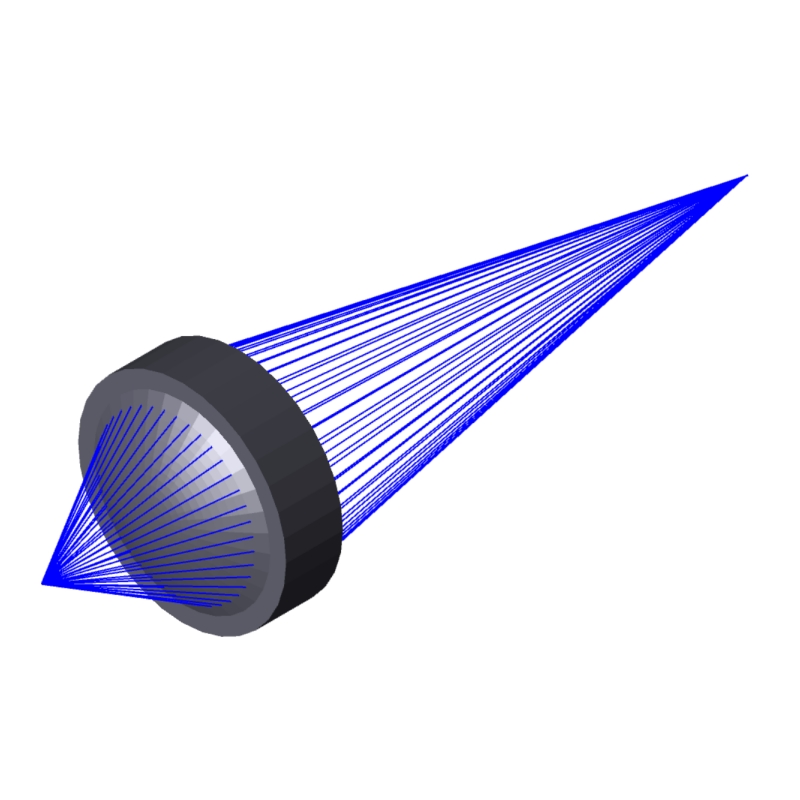
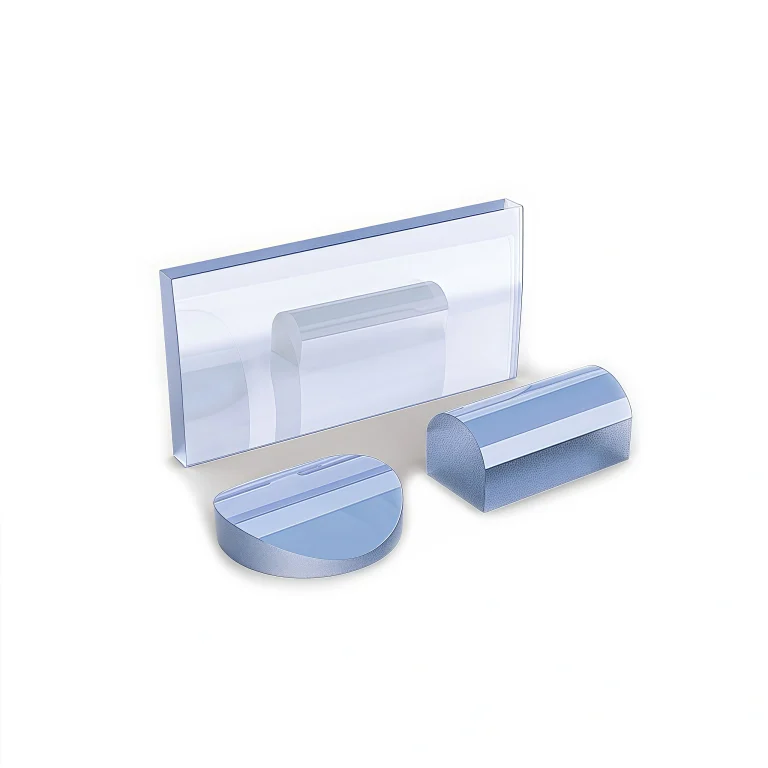
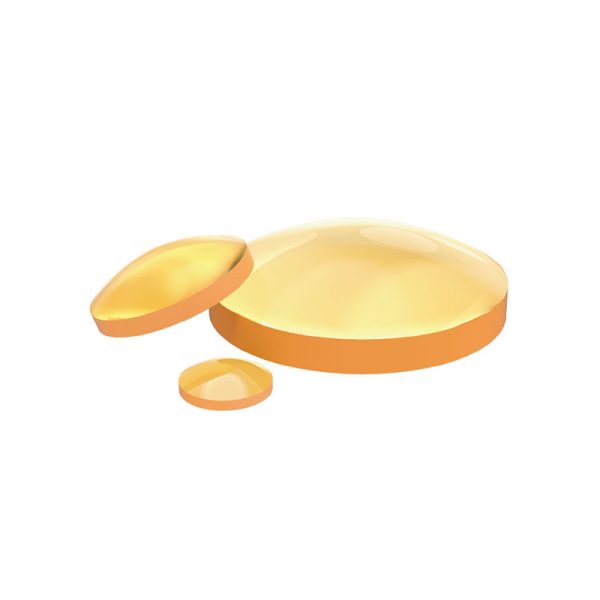
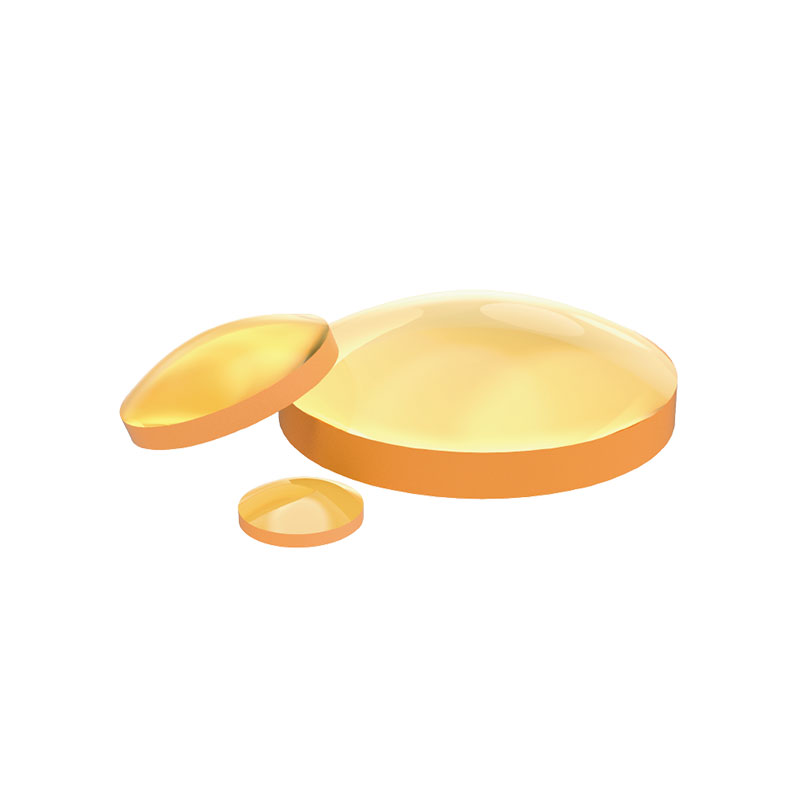
Bare aspheric glasses lenses are optical parts with “no holder, round shape, and aspheric structure”. They focus on turning divergent light into parallel light accurately. Here’s what makes them stand out:
- Bare design, flexible adaptation: No pre-applied holders—you can add your custom holder/caps later for different applications/wavelengths(UV to IR). The round shape is universal, fitting most devices with round optical ports—no extra port modifications needed.
- Aspheric structure, high collimation precision: Compared to spherical lenses, the aspheric design eliminates spherical aberration. When turning divergent light (e.g., from laser diodes) into parallel light, the beam parallelism error is ≤0.1°—3x more accurate than spherical lenses. Great for scenes needing precise beam direction.
- Good native transmittance, controllable cost: Made of high-purity optical glass (BK7, fused silica), bare lenses have ≥92% transmittance for visible light.
- Simple, durable structure, easy to install: Single circular lens, Diameter from 5 mm to 600 mm, lightweight.

Aspheric Glasses Lenses Common Uses (Real Scenes You’ll Get)
- Laser Equipment
- Laser diode collimation: Turns divergent light (10°-30° divergence angle) from laser diodes into parallel light. Aspheric glasses lenses used in conjunction with other parts (such as scan galvanometers) for laser marking or ranging enable the laser to travel farther with more concentrated energy.
- Fiber laser collimation: Installed at the fiber output ends, it converts divergent fiber light into parallel light, thereby reducing loss. Fits long-distance processing needs of laser cutting/welding machines.
- Optical Communication & Sensing
- Optical module collimation: In optical transceivers, aspheric glass lenses turn divergent light from chips into parallel light for fiber coupling, boosting signal transmission efficiency. Bare lenses can later get 1310nm/1550nm anti-reflective coatings for telecom bands.
- IR sensors: Collimate divergent IR LED light into parallel light, extending detection distance (from 10m to 30m). Used in security monitoring or automatic doors—reduces ambient light interference.
- Industrial Inspection & Medical
- Machine vision lighting: Aspheric glasses lenses collimate divergent LED light into parallel light, evenly illuminating parts. Works with cameras for high-res images, used in part dimension measurement or flaw detection (chip scratches, glass cracks)—doubles detection precision.
- Medical laser collimation: In low-power medical lasers (e.g., laser therapy devices), it turns the laser into parallel light, precisely controlling the irradiation range to avoid skin damage. Bare lenses can be high-temperature sterilized, fitting medical scenes.
- Consumer Electronics & Research
- Mini projectors: Aspheric glasses lenses collimate divergent projector light into parallel light, then project via imaging lenses—making screen edges clearer. Bare design fits the projector’s compact space, cutting device costs.
- Spectrometer collimation: In research spectrometers, it turns divergent sample spectral lines into parallel light for grating splitting, boosting spectral resolution. Bare lenses can get custom anti-reflective coatings for experiments—high flexibility.
How to Choose (3 Simple Steps)
- First, decide “collimation need”: How precise does parallelism need to be?
- Regular scenes (consumer electronics, basic sensing): Choose regular versions with ≤0.3° parallelism error—great value.
- High-precision scenes (laser processing, research spectrometers): Choose high-precision versions with ≤0.1° error, paired with fused silica for laser damage resistance.
- Next, check “size match”: Will it fit and connect?
- Measure your device’s optical port diameter first: Lens diameter should be 0.5-1mm smaller (e.g., 10mm port = 9mm-9.5mm lens) to avoid blocking.
- Small devices (mini sensors): Choose ≤10mm diameter, ≤5mm thickness. Large devices (laser cutters): Choose ≥20mm diameter for high-power light transmission.
- Finally, check “environment & material”: Will it last?
- Normal temp/regular scenes (optical communication, consumer electronics): BK7 glass works—low cost.
- High-temp/UV/high-power scenes (industrial lasers, UV testing): Aspheric glasses lenses must choose fused silica—resists high temps, UV aging, and has a high laser damage threshold.
- Medical/high-cleanliness scenes (medical devices, semiconductor testing): Choose sapphire—hard, scratch-resistant, high-temp sterilizable, fitting strict environments.
Aspheric Lens
| Parameter | Specification |
|---|---|
| Material Range | DUV to IR |
| Available Shapes | Custom shapes and dimensions |
| Diameter Range | 5 mm – 600 mm |
| Clear Aperture | Central 90% of the diameter |
| Surface Irregularity | λ/10 @ 632.8 nm |
| Surface Quality | 10-5 S/D |
| Centration | < 3 arcmin |
| Coating Options | Standard and custom coatings available |
| Laser Damage Threshold | High |
| Manufacturing Method | Precision plane molded |
| Key Performance Advantage | Effectively minimizes spherical aberration |