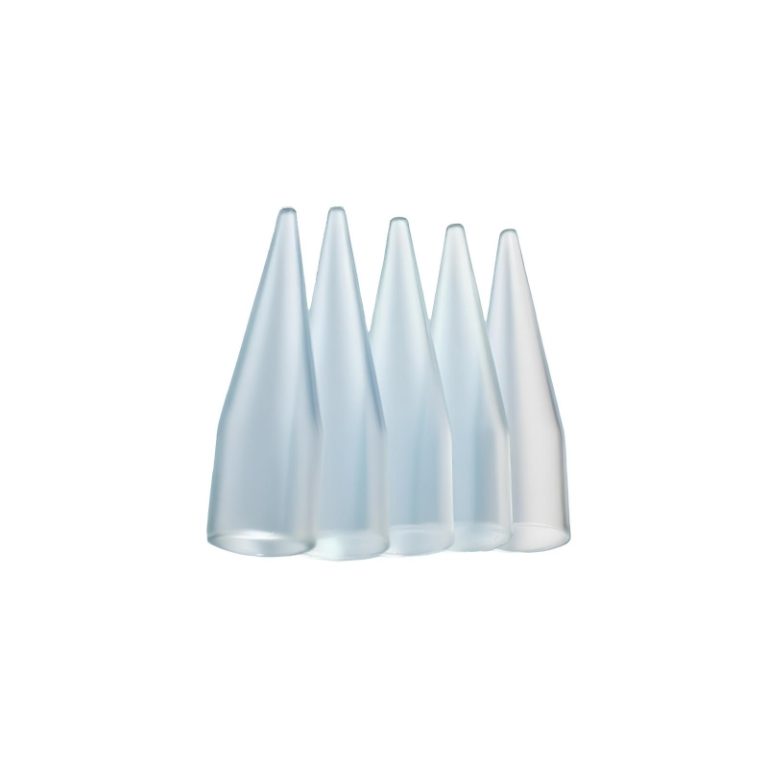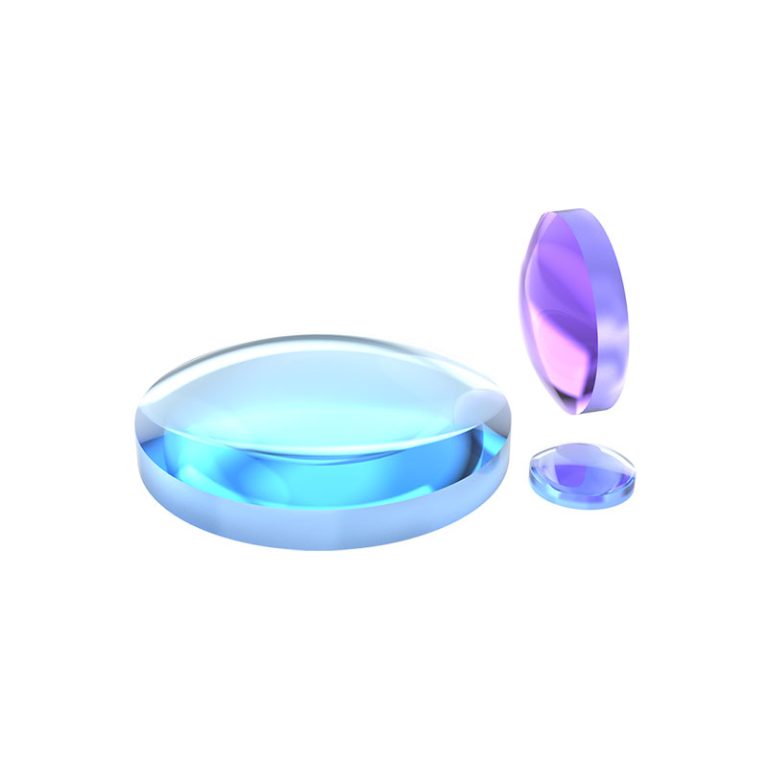

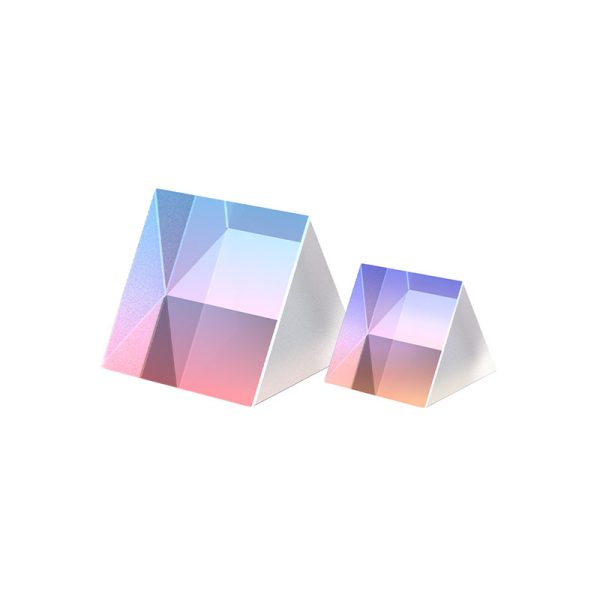

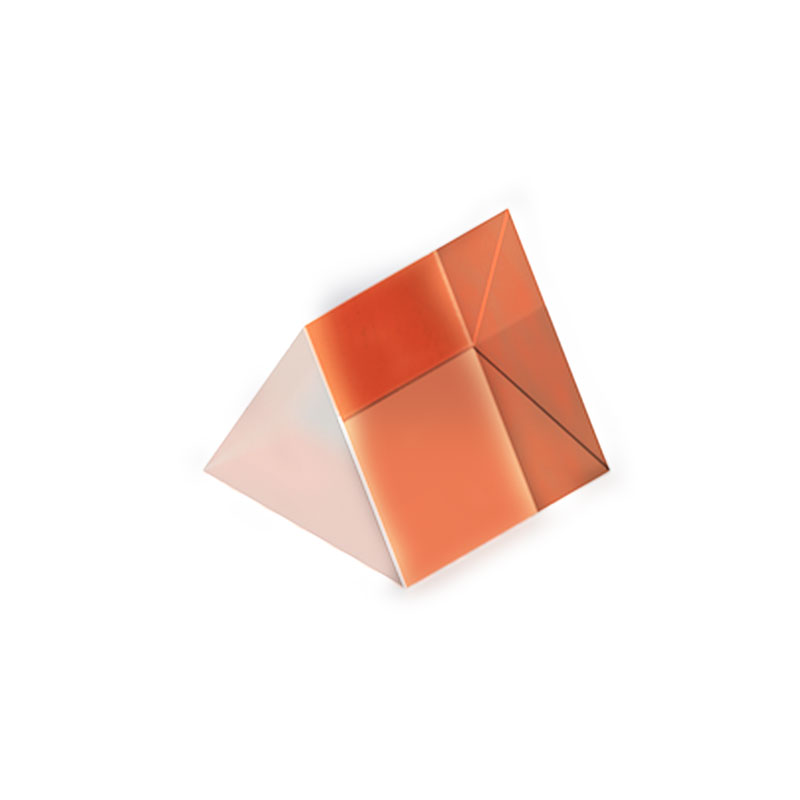
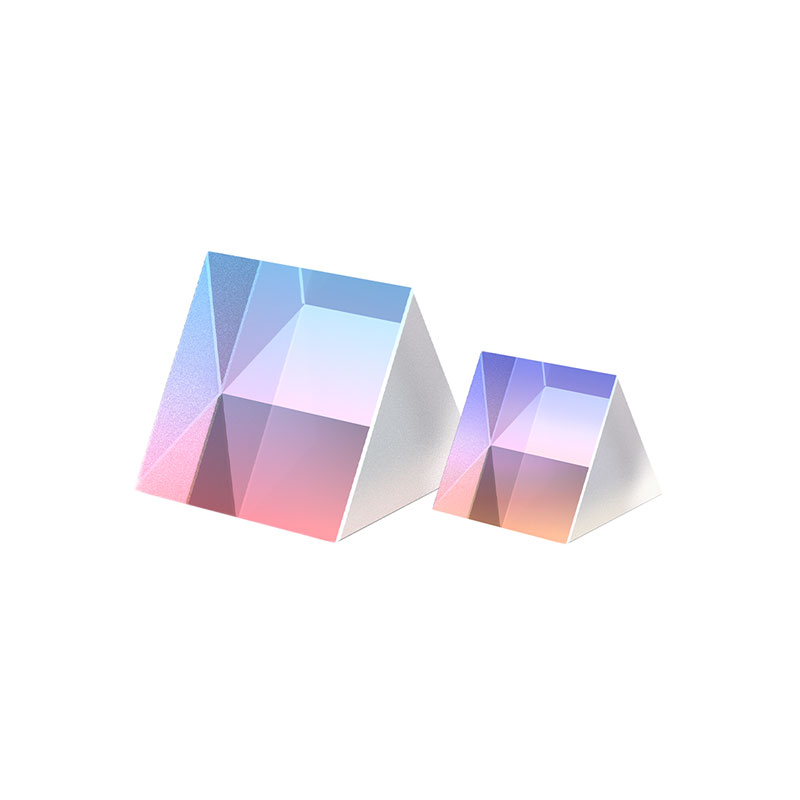

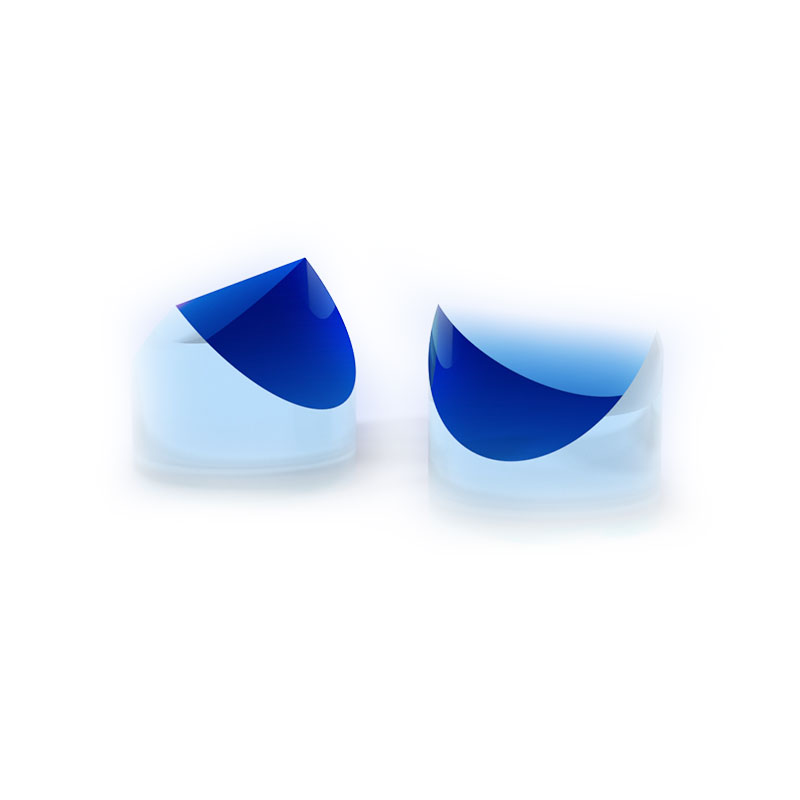

Core Advantages of Custom Prism
- High-Precision Machining Processes: Leveraging CNC precision grinding, polishing, and high-accuracy cutting technologies, combined with self-developed specialized fixtures and positioning systems, we achieve edge angle tolerances within ±5 arcseconds, edge chipping sizes ≤5μm, and surface roughness Ra <0.2nm. For complex edge structures (such as multi-faceted prism edges or irregular optical component edges), our Five-axis linkage processing equipment, coupled with optical simulation software, ensures perfect alignment between edge precision and optical performance.
- Comprehensive Material Adaptability: We support edge processing for a full range of materials, including optical glasses (K9, B270, Schott series) &crystal materials (sapphire, calcium fluoride, zinc selenide). Tailored processing parameters and solutions are designed based on material properties (hardness, brittleness, thermal expansion coefficient). For example, high-hardness sapphire is processed with precision grinding using specialized diamond abrasives, preventing cracking while maintaining edge precision.
- Innovative Processes and Flexible Production: Our proprietary edge chamfering and strengthening treatments effectively eliminate stress concentration and prevent chipping, enhancing the mechanical stability and lifespan of optical components. Additionally, our modular production flow and digital management system enable seamless switching between single-piece custom prism and mass production, catering to diverse customer needs.

Custom Prism Diverse Application
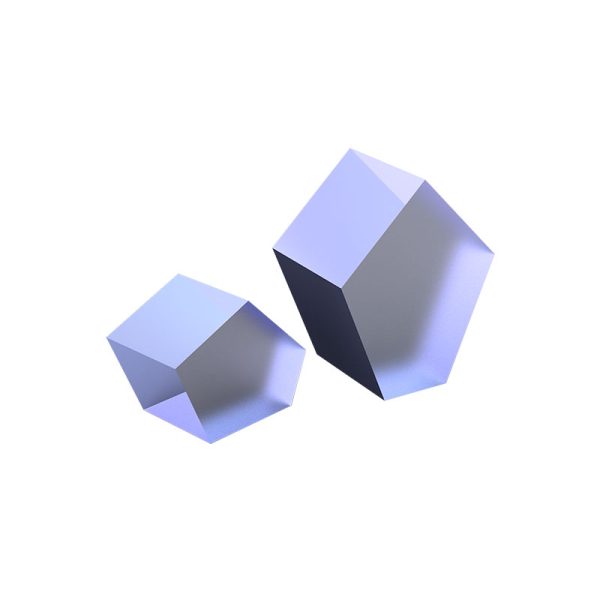
- Optical Instruments and Equipment: In optical components, custom prisms and lens assemblies, high-precision edges ensure accurate light reflection and refraction, significantly improving the imaging quality and measurement accuracy of telescopes, microscopes, spectrometers, etc. For instance, finely processed edges of pentaprisms in astronomical telescopes minimize light deflection errors, guaranteeing clear and stable observation images.
- Laser Processing and Communication: Edges of optical components in laser cutting heads and collimators require high damage thresholds and low scattering properties. Our specialized edge treatments reduce laser energy loss and scattering, enhancing transmission efficiency and processing precision. In optical communication, the edge precision of fiber connectors impacts signal coupling efficiency. Our processing technology achieves edge angle errors < ±10 arcseconds, enabling stable high-speed signal transmission.
- Aerospace and Defense: Optical components in airborne cameras and missile seekers face extreme environmental conditions (high temperature, vibration, impact), demanding exceptional edge strength and precision. Our edge-strengthening processes, combined with special material machining, ensure stable performance under harsh conditions, meeting the high-reliability requirements of aerospace and defense equipment.
- Medical and Life Sciences: In medical endoscopes and surgical microscopes, edge precision directly affects imaging quality and surgical safety. Our ultra-precision machining techniques produce smooth, burr-free edges, reducing light distortion and stray light interference, thus providing doctors with clear and stable visual fields.