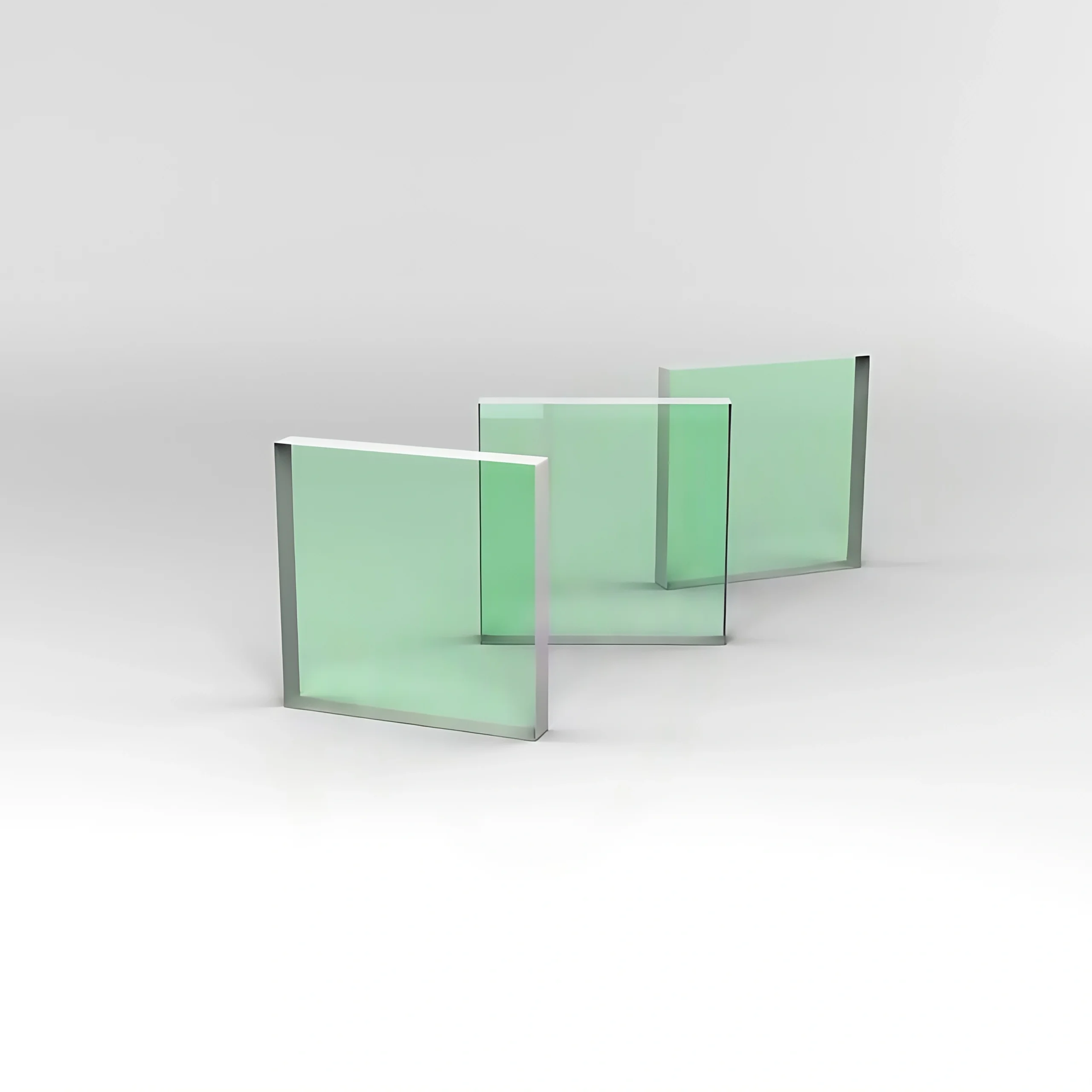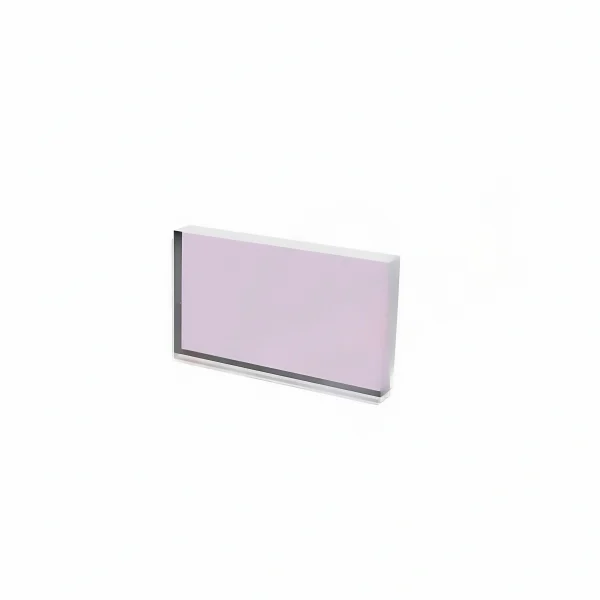
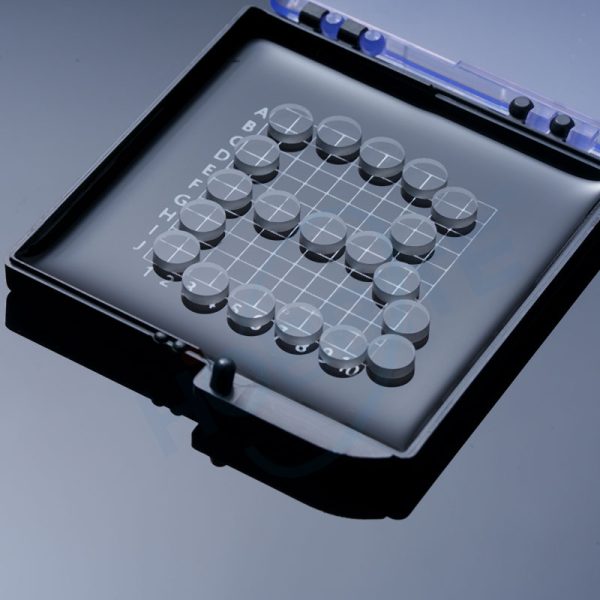
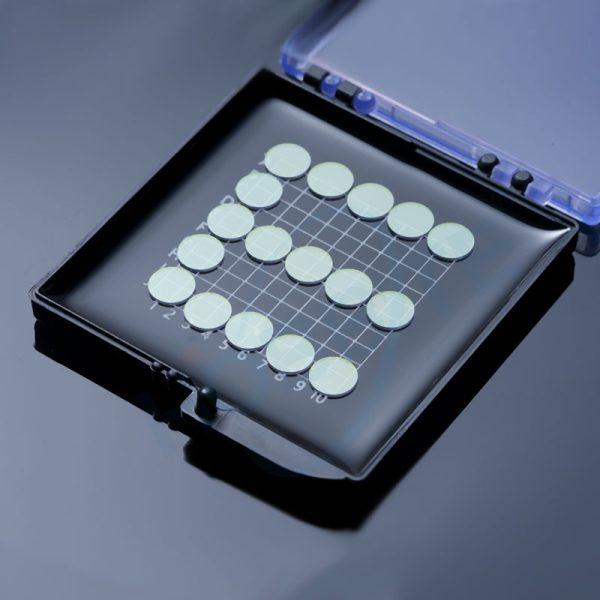
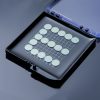
High Transmittance and Stable Optical Path BK7 Window
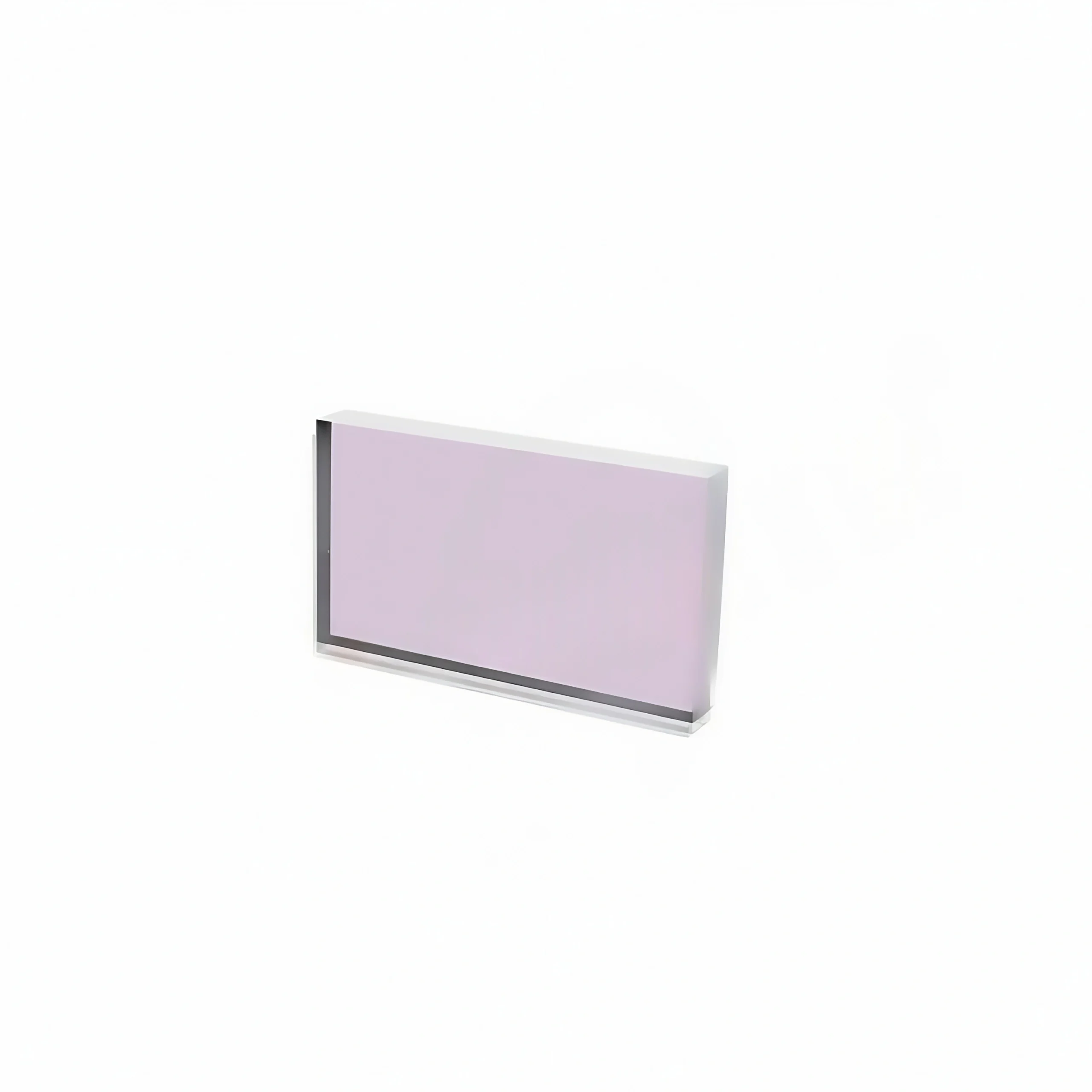
BK7 Windows are precision optical components made from high-quality BK7 glass, offering excellent transmission, low birefringence, and stable performance. Their versatility and durability make them ideal for demanding optical systems and integration into compact setups.
Feature:
- High-transmission BK7 glass providing clarity across visible and near-infrared wavelengths
- Low wavefront distortion and minimal birefringence for accurate beam propagation
- Superior surface quality and polishing for reliable, stable optical performance
- AR, HR, or custom coatings available to enhance system efficiency
- Custom dimensions and edge designs for seamless integration into various optical assemblies
Application: Laser optics, imaging systems, spectroscopy, optical communication, aerospace, and precision instruments requiring reliable, high-performance optical windows.
Share to:
1. High-Purity Borosilicate Crown Glass
BK7 is a borosilicate crown glass composed primarily of SiO₂ (~70%), with sodium borate and sodium oxide. It offers:
- Density: 2.51 g/cm³
- Thermal Expansion Coefficient: 3.3×10⁻⁶/°C (20–300 °C)
- Vickers Hardness: HV 560, better scratch resistance than ordinary glass
This ensures good thermal and mechanical stability, essential for long-term optical applications.
2. Optical Properties for Broadband Transmission
- Wavelength Range: 350 nm – 2100 nm
- Typical Transmission: >91% at 589 nm (uncoated), and >99% with AR coatings
- Refractive Index: n_D = 1.5168
- Abbe Number: ν_D = 64.1 (low chromatic dispersion)
These properties make BK7 suitable for systems that do not require dispersion correction but demand high clarity and broadband performance.
3. Precision Manufacturing and Structural Flexibility
- Geometry: Flat parallel BK7 windows with thickness from 1 mm to 20 mm, diameters or side lengths from 1 mm to 300 mm
- Flatness: Up to λ/10 for high-precision optics
- Customization: Available in circular, square, or special shapes, with optional beveling or apertures
- Surface Quality: Polished to <1 nm RMS roughness for high-power laser or imaging use
4. Versatile Applications
Optical Instruments & Imaging
- Lens protection in cameras, telescopes, and microscopes
- Substrates for beamsplitters or interference filters
Laser and Fiber Optics
- Protective BK7 windows in CO₂ lasers, fiber modules (e.g., 1310/1550 nm)
- Components in beam shaping systems
Industrial & Environmental Sensing
- BK7 Front windows for IR sensors, analyzers, or machine vision cameras
- Weather-resistant and oil-resistant viewing windows
Scientific Research
- Flat windows for interferometers, spectrometers, and LIBS systems
- Spectroscopic reference and sample windows
Consumer Electronics
- Cover glass for premium touchscreens and optical modules in AR/VR
- Highly visible transmittance substrates with optional IR reflection coatings
5. BK7 Window Selection Guidelines
UV or IR Range Needs:
- For <350 nm: use fused silica;
- For >2100 nm: use germanium or silicon
Flatness & Surface Quality:
- λ/10 or better for high-end imaging
- Surface roughness <1 nm for laser compatibility
Coating Considerations:
- Apply AR coating to boost transmission and reduce reflections
- Use high-damage-threshold coatings for high-power laser applications
| Parameter | Specification |
| Material | Schott BK7 or equivalent borosilicate crown glass |
| Wavelength Range | 350 – 2100 nm |
| Transmittance | >91% at 589 nm (uncoated); >99% with broadband AR coating |
| Refractive Index (n_D) | 1.5168 |
| Abbe Number (ν_D) | 64.1 (low dispersion) |
| Flatness | λ/10, λ/4, or λ/2 @ 633 nm (application dependent) |
| Surface Quality | 20/10, 40/20, or 60/40 (per MIL or ISO 10110 standards) |
| Surface Roughness | <1 nm RMS for laser applications |
| Thickness | 0.1 mm – 20 mm |
| Dimension Tolerance | +0.0 / –0.1 mm (standard); tighter tolerances on request |
| Shape Options | Circular, square, rectangular, or custom cut |
| Edge Finish | Ground, beveled, or polished |
| Coating Options | Uncoated, AR/VIS/NIR/IR coatings, high-damage-threshold coatings |
| Operating Temp. Range | –40°C to +300°C |