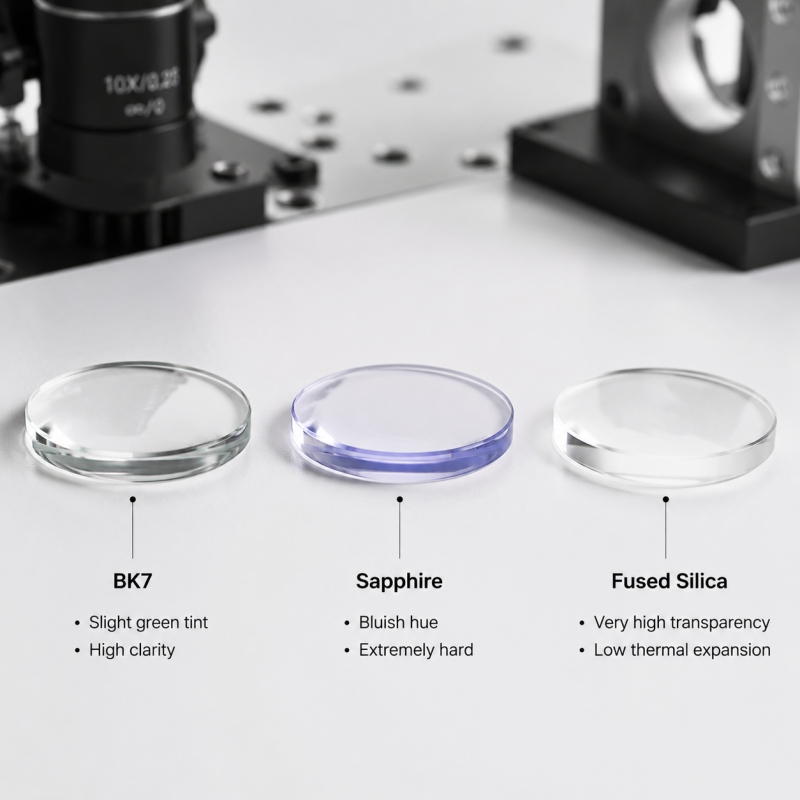
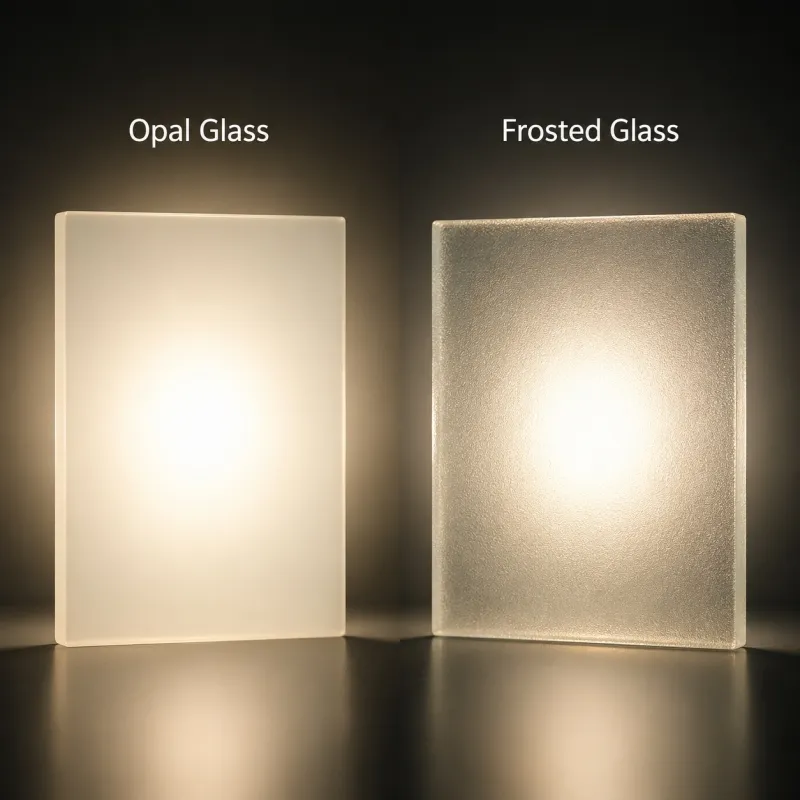
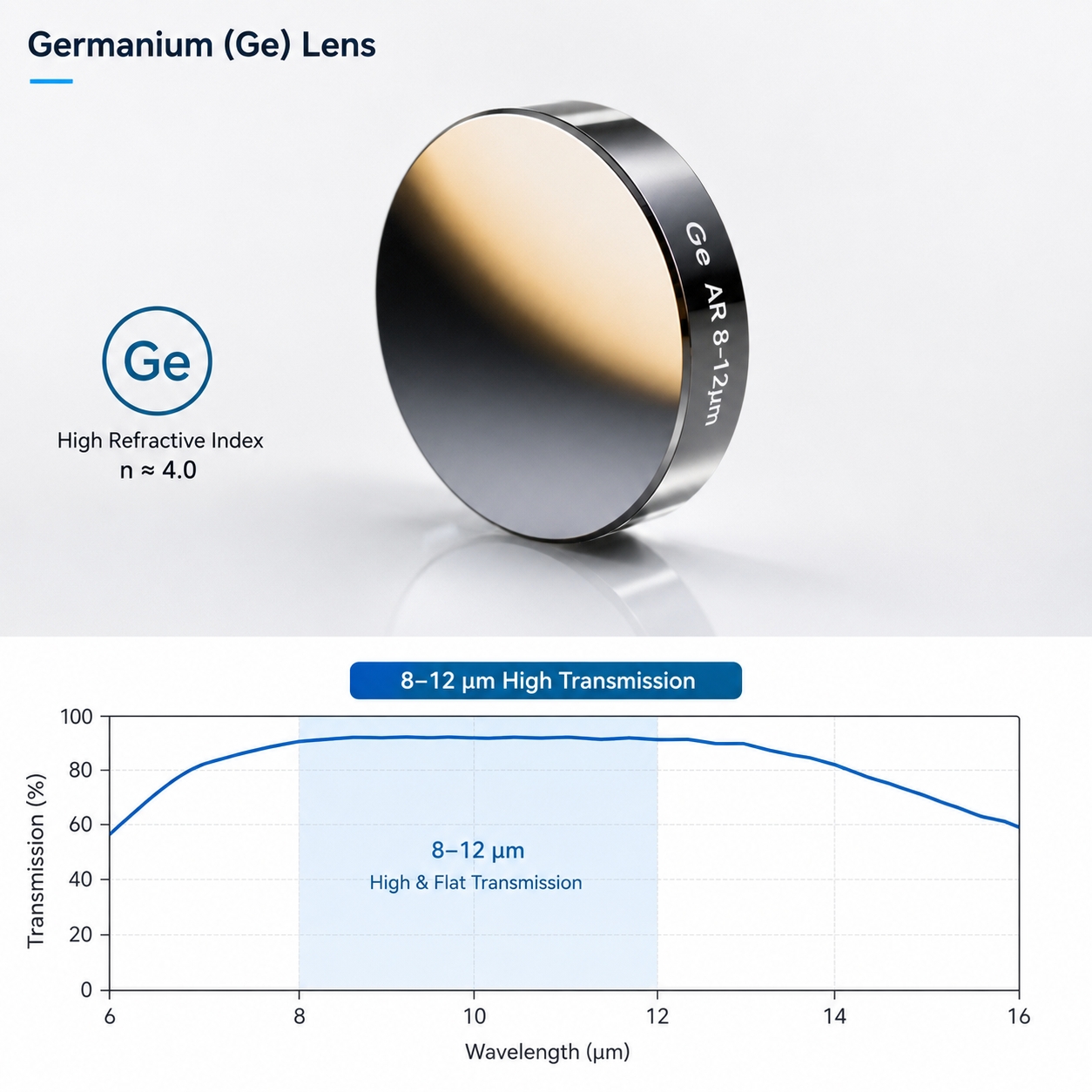
In both scientific research and industrial applications, the choice of a microscope slide and its corresponding coverslip can significantly impact the clarity and accuracy of observations. From basic optical microscopy to advanced biomedical studies, selecting the right material and design is crucial for success. High-quality slides and coverslips ensure uniform light transmission, reduce distortions, and protect delicate samples during examination.
What is a Microscope Slide?
A microscope slide is a thin, flat piece of glass that supports a specimen during observation. Standard slides usually measure 75 × 26 mm, but square or custom sizes are also available. The most important features of a microscope slide are optical clarity and the ability to let light pass evenly, which together ensure accurate imaging.
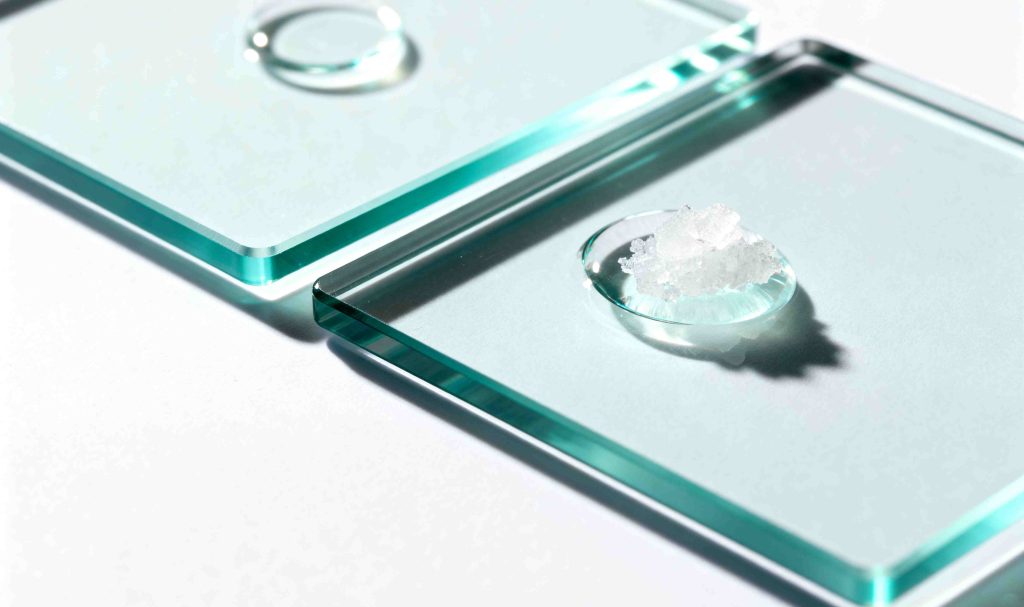
Common Materials for Microscope Slides
Material | UV/Visible Range | Max Temperature | Hardness | Key Advantages | Typical Applications |
Quartz | 200–3500 nm | 1100°C | 7 | High UV transmission, low fluorescence | UV microscopy, high-temperature experiments |
UV Fused Silica | 160 nm–2 μm | 1000°C | 7 | Fluorescence-free, excellent UV/VUV transmission | Confocal microscopy, photonics research |
Sapphire | 220–5000 nm | 2030°C | 9 | High hardness, chemical resistance | Industrial, analytical, high-temp research |
Calcium Fluoride | 180 nm–7 μm | 600°C | 4 | Low refractive index, broad spectral transparency | Optical measurement, laser experiments |
Borosilicate | 300–2500 nm | 500°C | 6 | Chemically resistant, affordable | General lab use, fluorescence microscopy |
Each material offers unique advantages. For example, sapphire slides can withstand extreme temperatures and resist chemical corrosion, while UV fused silica provides superior transmission for sensitive optical experiments.
Applications of Microscope Slides
Microscope slides are widely used across different fields:
- University laboratories and educational settings
- Biomedical and pharmaceutical research
- Analytical and spectroscopy studies
- High-precision optical instrument manufacturing (OEM)
- Industrial quality control and laser alignment
Selecting the right material helps maintain imaging accuracy, especially in experiments involving UV light or high temperatures.
Understanding Coverslips
A coverslip is a thin glass layer, generally less than 1 mm thick, placed on top of a specimen. It serves multiple purposes:
- Holds the sample in place
- Protects the specimen from contamination
- Prevents microscope objectives from touching the sample
- Ensures even light distribution for clear imaging
Think of a coverslip as a protective window for your specimen—it keeps both the sample and the microscope safe while supporting precise imaging.
Common Coverslip Materials
Material | Thickness Range | UV Transmission | Temperature Tolerance | Key Features | Applications |
Z Cut Quartz | 0.05–0.2 mm | High | ~1000°C | High precision, optional AR coating | UV microscopy, research imaging |
Fused Quartz | 0.1–0.25 mm | High | 1200°C | Fluorescence-free, thermally stable | Confocal microscopy, photonics research |
Sapphire | 0.05–0.3 mm | Medium-high | 2030°C | Hard, chemical, and thermal resistant | High-temp, corrosive lab conditions |
ITO Coated Quartz | 0.1–0.2 mm | High | 1000°C | Conductive coating for optical sensors | Light modulation, optoelectronics |
Borosilicate Thin Glass | 0.05–0.2 mm | Moderate | 500°C | Chemically resistant | General lab and fluorescence applications |
Coverslip selection depends on your application: for example, UV microscopy often requires quartz or fused silica, while high-temperature experiments may benefit from sapphire.
Choosing the Right Slide and Coverslip
When selecting microscope slides and coverslips, consider:
- Material properties– UV transparency, thermal stability, and chemical resistance
- Thickness– Impacts focus, optical path, and image quality
- Surface quality– Scratch-free, high polish reduces scattering
- Special coatings– Anti-reflective or conductive coatings if required
- Application requirements– Educational, research, industrial, or biomedical
A careful selection ensures clear images, reliable results, and protection for both sample and instrument.
Technical Standards and Quality Control
Reliable slides and coverslips comply with standards like ISO 8037 and ASTM specifications. Quality control may include:
- Optical transmission and flatness measurements
- Thermal and chemical resistance testing
- Surface polish verification
Following these standards guarantees consistent performance across laboratory, industrial, and medical settings.
Conclusion
A properly selected microscope slide and coverslip can make a significant difference in imaging quality and experimental reliability. By understanding material properties, thickness, surface quality, and application needs, users can ensure optimal results.
Whether used for fluorescence microscopy, industrial inspection, or routine laboratory work, the right combination of slides and coverslips supports clear, accurate, and safe observations every time.