Customization Capabilities
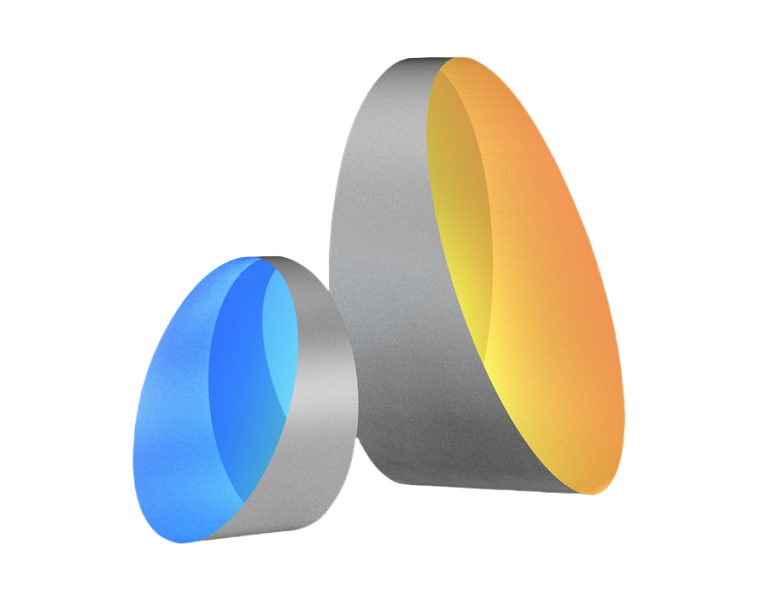
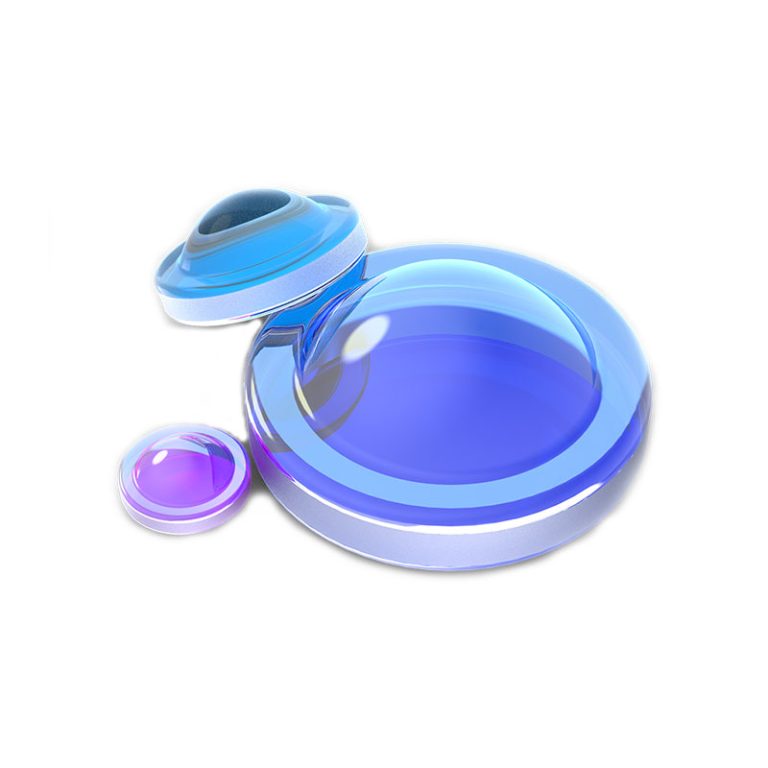
- Size and Form: Round, square, oval, or special shapes could be customised according to the requirements of the optical system.
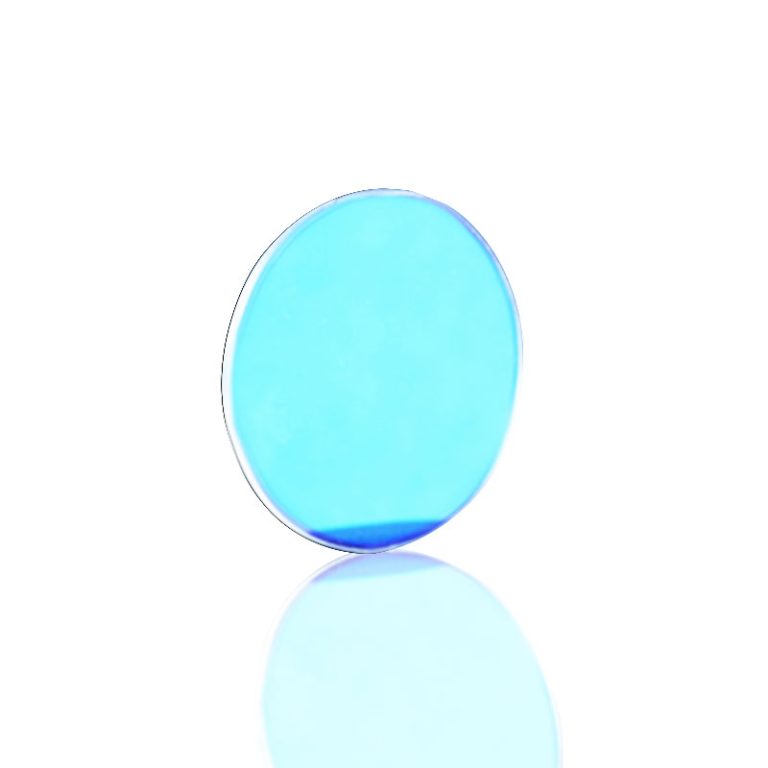
- Layer Design: The thickness and the number of layers in multi-layer media film are designed based on the customer’s wavelength and angle of incidence for high reflection or broadband reflection.
- Angle of Incidence Optimization: Ensuring high reflection performance at different angles and improvement in optical path utilization.
- Interface Customization: The Broadband Dielectric Mirror can be directly matched with fiber optics, collimators, laser cavities, or optical platforms for easy integration.
Usage Scenarios
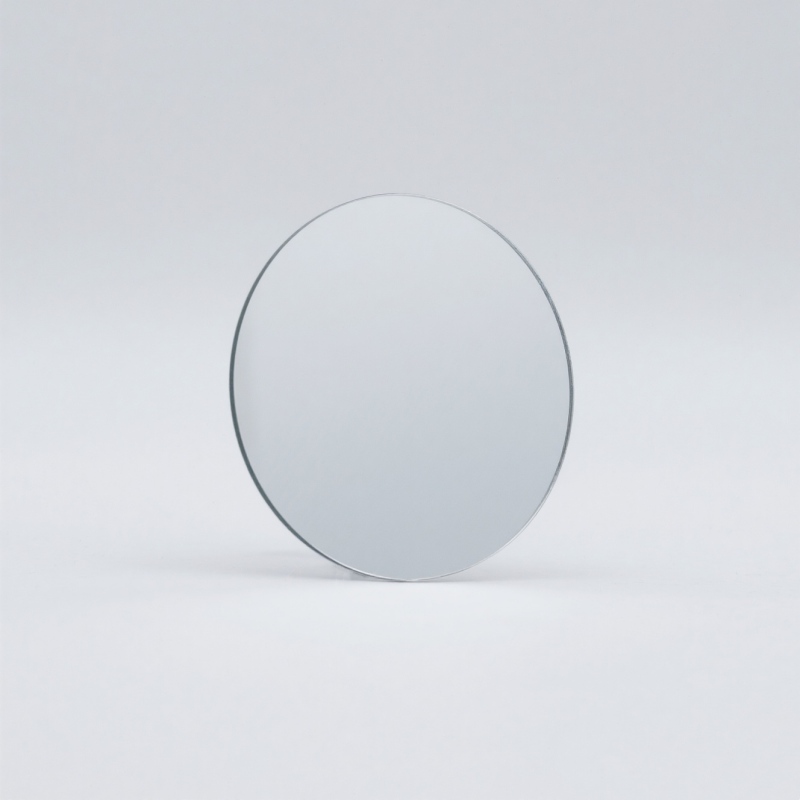
- Laser Cavity and Beam Control: High reflectors are applied for laser cavity end-face reflection, beam shaping, and output control.
- Scientific Research Experiments: Interferometers, spectrometers, and nonlinear optical experiments require high phase stability scenarios.
- Precision Imaging: Includes microscopes, astronomical telescopes, and optical projection systems.
- Optical Communication Systems: Optical fiber communication, optical path regulation, and beam splitting applications.
- Industrial Laser Processing: Pulsed laser marking, micromachining, and material surface treatment.
Frequently Asked Questions (FAQs)
Q1: For what wavelengths are Broadband Dielectric Mirrors suitable?
A: They can achieve arbitrary wavelength reflection according to the film layer design from UV to NIR.
Q2: How high-power laser can it withstand?
A: The high-power densities it can generally withstand are ≤20 W/cm². An application-based selection of film layer and substrate is required.
Q3: How do I clean the mirror surface?
A: Use optical paper or a special optical cloth to gently wipe; avoid using acid and alkali cleaning agents, and keep the Broadband Dielectric Mirror clean.
Use and Maintenance
- Regularly clean the dust, particles, or oil from the mirror surface to avoid affecting reflective properties.
- First, use air blowing or low-pressure nitrogen to remove floating dust during cleaning, and then gently wipe withan optical cloth.
- To avoid overheating of the mirror surface when operating with high-power lasers, a cooling device or system should be used.
- Long-term preservation: Put it in a protective box to keep it dry, light-proof, and dustproof, and avoid accidental collision.
Notes
- During installation, ensure the Broadband Dielectric Mirror surface is stable and avoid vibration or offset affecting the optical path.
- Verify that the optical power and wavelength match the layer design to prevent overloading of the film layer.
- Avoid long periods of use in high humidity, high dust, or corrosive environments.
- Wear gloves during handling or maintenance to reduce sebum contact with the membrane surface.
- If it is scratched, peeled, or reflective decreases, stop using it immediately and contact the supplier for maintenance or replacement.