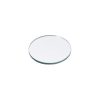
Customization Capabilities
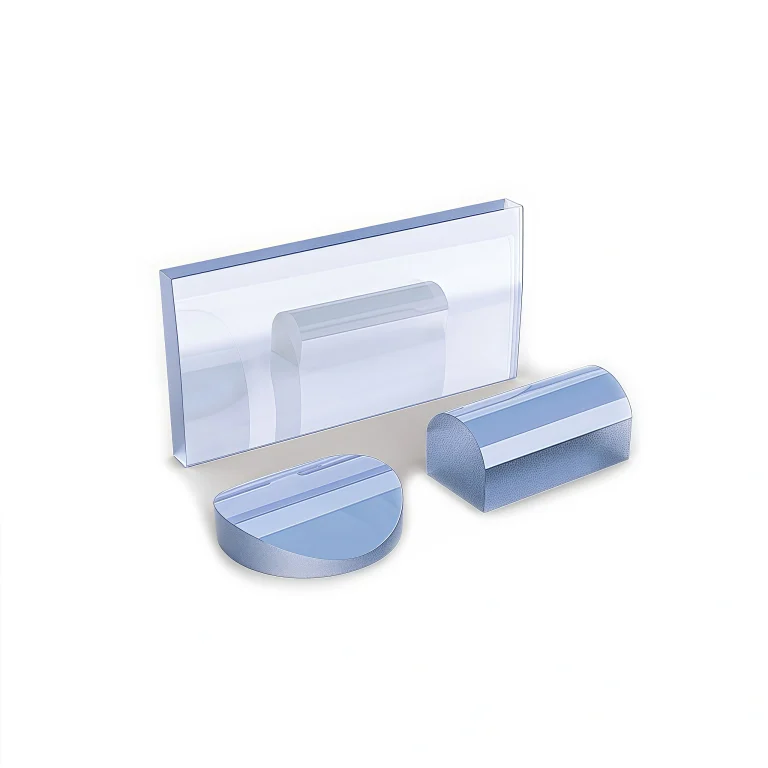
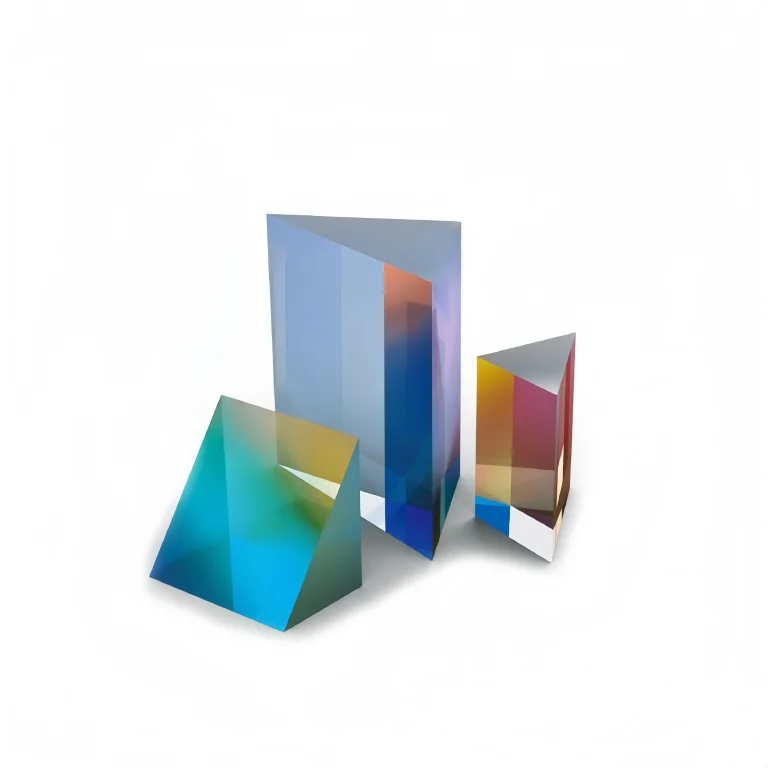
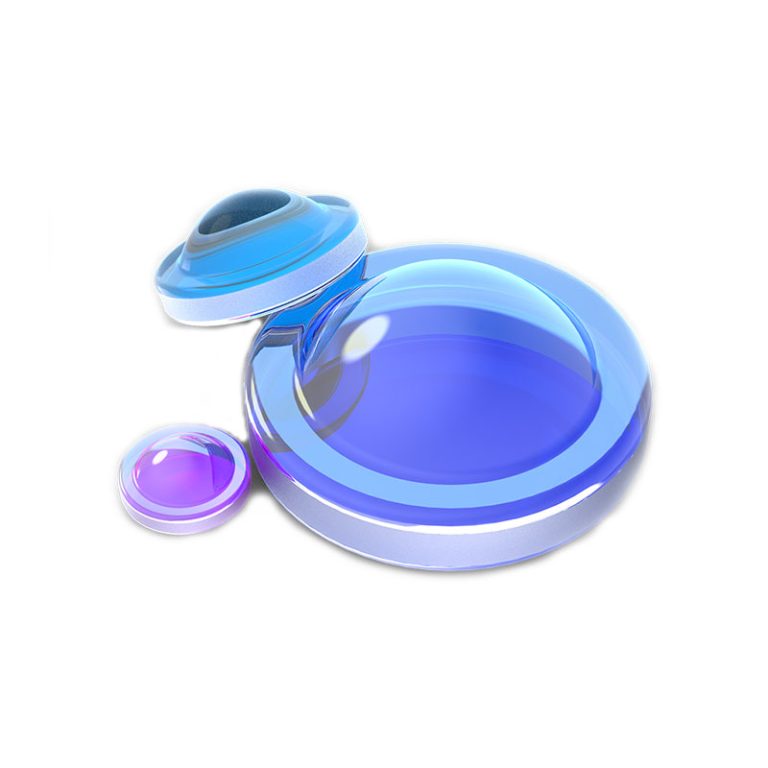
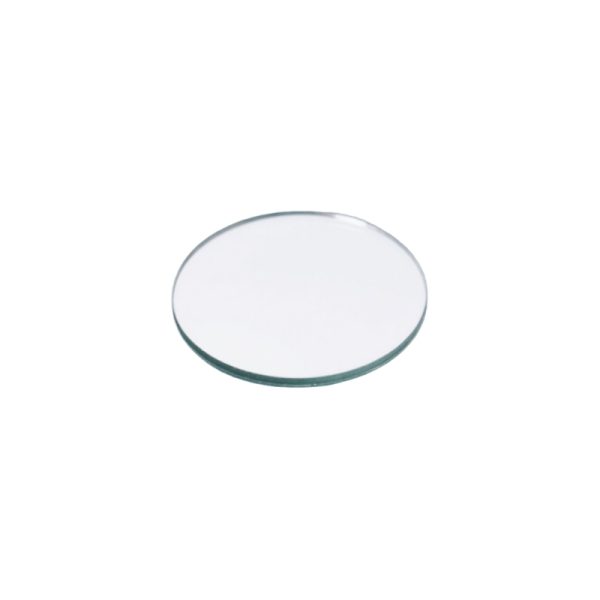
- Shape and Size: Round, square, or special shapes are available depending on the specific system’s space.
- Coating Type: Silver, aluminum, gold, or multi-layer dielectric film can be selected according to different wave bands and power requirements.
- Angle of Incidence and Band: The properties of a specular reflection can be tailored for specific wavelengths and beam angles of incidence.
- Optical Interfaces: The interfaces can be designed to directly match fiber optics, collimators, or other optical components.
Applications
- Laser Cavity and Beam Control: Laser cavity reflection, beam deflection, and shaping applications.
- Scientific Research Experiments: Suitable for interference, spectral analysis, and precision optics experiments.
- Industrial Processing: Laser cutting, welding, engraving, and marking equipment.
- Optical Measurement: Microscopes, imaging systems, optical inspection equipment.
- Optical Communication and Imaging: Beam control, optical fiber communication, and imaging devices.
Frequently Asked Questions (FAQs)
Q: How high a power can a laser mirror withstand?
A: That depends on both the coating and substrate material, but in general, it can withstand an optical power density of ≤10 W/cm².
Q: Can mirrors be used for a long time?
A: Yes, but avoid long-term exposure to high humidity or corrosive environments, adding protective covers where necessary.
Q: How do I clean a laser mirror?
A: It is recommended to gently wipe the dust with a special optical cleaning cloth or optical paper and not use acid and alkaline cleaners.
Coating Maintenance
- Regularly check the mirror surface for dust, oil, or small particles to avoid long-term accumulation that might affect reflective properties.
- When cleaning, first use blowing air or low-pressure nitrogen to blow off the floating dust on the surface, then gently wipe with an optical wipe to avoid friction.
- Avoid overheating of the mirror surface in a high-power laser environment; if necessary, use a cooling device or cooling system.
- When not in use, the mirror should be kept in a special optical box or soft protective material to avoid clashes or scratches by accidents.
Precautions
- Avoid placing hard objects or sharp tools on the mirror surface to prevent scratches or peeling of the film layer.
- During the debugging of the laser system, make sure that the position of a mirror is fixed and stable to avoid vibration or offset, which would affect the accuracy of the optical path.
- Before use, confirm that incident light power and wavelength meet lens specifications in order to avoid overpower damage to the film layer.
- When the ambient humidity is too high or the air contains corrosive gases, the use time should be shortened or the protective cover should be added.
- To install, move, or dismantle, it is recommended to wear clean gloves so as to lessen hand sweat or sebum contact with the mirror.