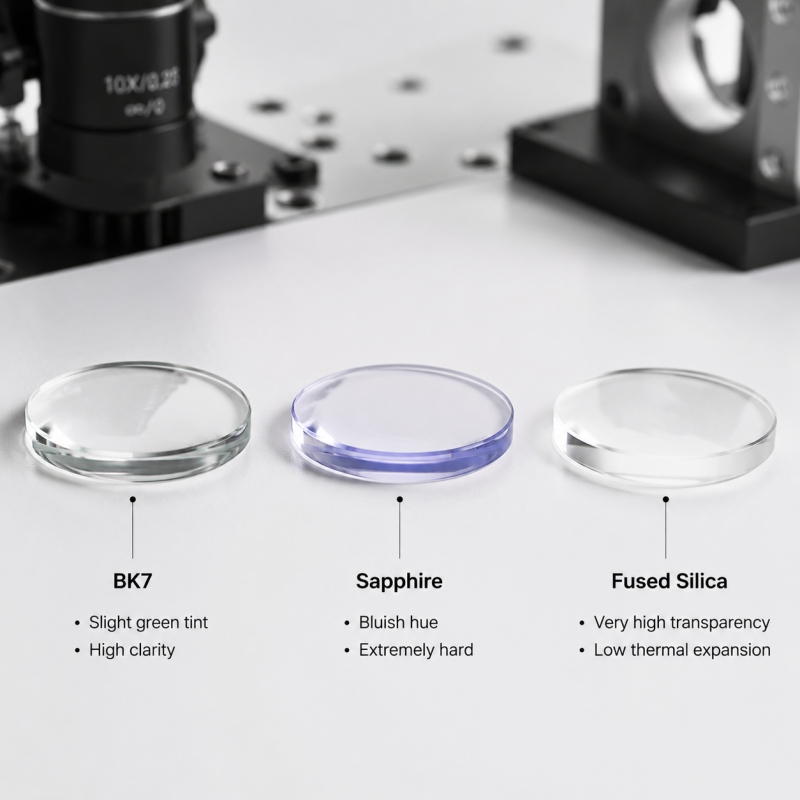
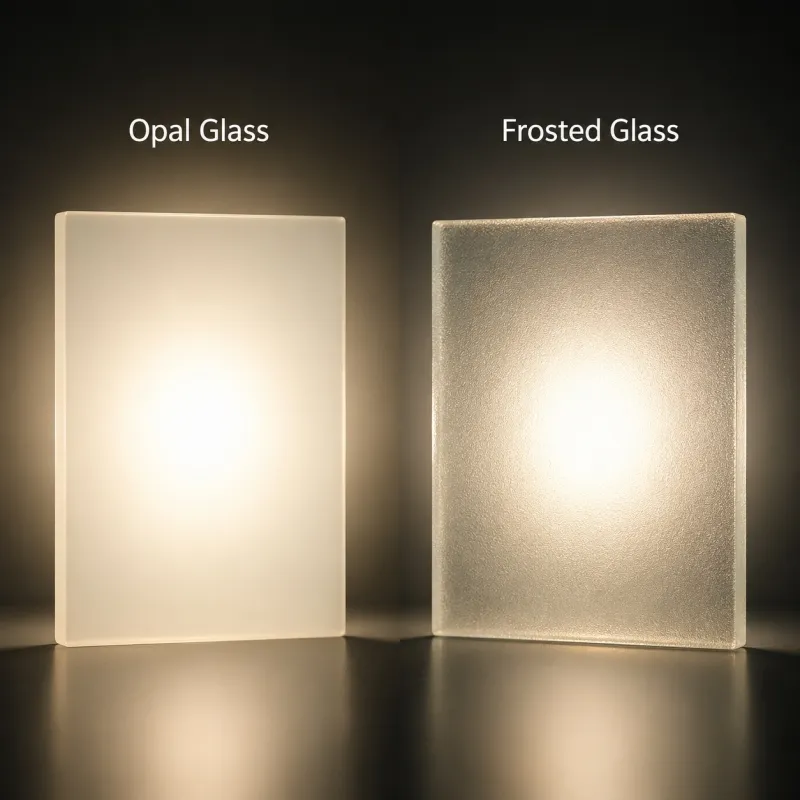
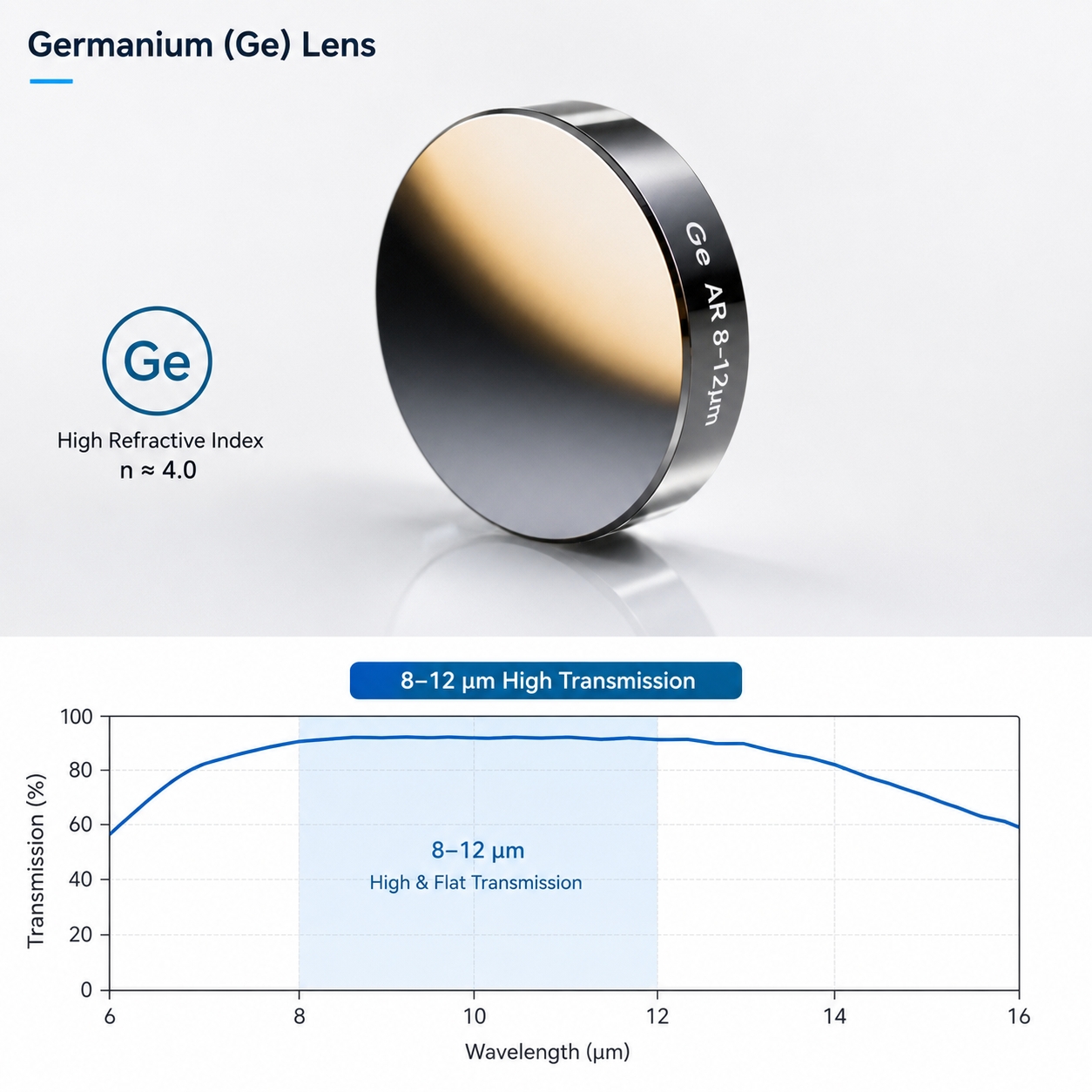
Proper handling, cleaning, and storage of optical components are crucial to maintaining the performance, accuracy, and lifespan of your optics product. Optical elements, whether coated or uncoated, are sensitive to dust, oils, moisture, and other contaminants. These contaminants can scatter light, absorb energy, and create hotspots, potentially causing permanent damage. Coated optical components are particularly susceptible to chemical and mechanical damage, making careful handling and storage essential.
This guide provides a systematic approach to handling, inspecting, cleaning, and storing both coated and uncoated optical components, as well as potential problems, their causes, and mitigation strategies.
Handling Principles
Proper handling reduces contamination and prevents surface damage:
Work in a clean, temperature-controlled environment. Avoid direct contact with optical surfaces; use gloves (cotton, nitrile, or powder-free latex) and optical or vacuum tweezers for small components. Hold optics by non-optical surfaces such as edges or mounts.

Special considerations:
First-surface mirrors, pellicle beamsplitters, holographic gratings, and other sensitive coated surfaces should never be touched directly. Temperature-sensitive crystals (e.g., calcite polarizers, lithium niobate wafers) must equilibrate to ambient temperature to prevent cracking.
Storage Guidelines
Proper storage prevents scratches, contamination, and environmental damage.
Environmental conditions:
- Humidity: <40% RH for coated optics; <50% RH for uncoated optics. Excess humidity can cause coating degradation, corrosion, or mold growth.
- Temperature: Stable 20–25℃ for coated optics; 15–30℃ for uncoated optics. Avoid thermal shocks.
- Light exposure: Avoid direct sunlight or intense UV light, which accelerates coating degradation.
Packaging and positioning:
- Wrap each optic in lens tissue or soft, lint-free material.
- Store in boxes with foam or molded plastic inserts.
- For coated optics, consider anti-static or moisture-barrier bags.

Storage duration:
- Coated optics: 1–3 years recommended; inspect periodically for coating degradation.
- Uncoated optics: Longer storage is possible if kept clean and protected.
Inspection Before Cleaning
Regular inspection ensures early detection of contamination or surface defects:
- Use magnifiers to detect dust, smudges, or scratches.
- Hold reflective surfaces at shallow angles; hold polished lenses perpendicular for clarity.
- Compare observed defects to manufacturer scratch-dig specifications using a scratch-dig paddle.
- Coated optics are more sensitive; minor damage can significantly reduce performance.
Cleaning Procedures
Cleaning depends on surface type, contaminant, and coating status.
1· Removing Loose Contaminants
- Use inert dusting gas or a blower bulb.
- Maintain a 10–20° grazing angle and ~6–10 cm distance.
- For delicate coated optics, this may be the only safe method.
2· Solvent-Based Cleaning
- Optical-grade solvents: acetone, methanol, isopropanol, and distilled water with mild optical soap.
- Moisten wipes lightly; never allow pooling.
- Verify solvent compatibility for coated optics.

3· Drop and Drag Method
- Effective for flat surfaces.
- Place solvent drops on lens tissue above the optic and gently drag across the surface.
4· Lens Tissue with Forceps or Applicators
- Fold tissue to avoid finger contact.
- Apply solvent lightly; wipe in smooth, continuous motions.
- Rotate tissue frequently to prevent contaminant accumulation.
5· Webril Wipes
- Soft, pure cotton wipes are ideal for both coated and uncoated optical components.
- Small optics: roll into a cone; large surfaces: fold to maintain a soft wiping edge.
Tools for Safe Handling and Cleaning
- Gloves: Prevent oils from contaminating surfaces.
- Tweezers: Optical or vacuum tweezers for small optics.
- Inert Dusting Gas / Blower Bulb: Non-contact cleaning.
- Lens Tissue / Webril Wipes / Cotton-Tipped Applicators: Soft, lint-free surfaces.
- Scratch-Dig Paddle: Compare defects to manufacturer specs.
- Magnifiers: Inspect surface quality and detect contaminants.
Potential Issues and Mitigation
Issue | Cause | Affected Optics | Mitigation |
Coating degradation (whitening, bubbling) | High humidity, improper storage | Coated | Remove from humidity, inspect, and replace if necessary |
Scratches or abrasions | Poor handling or cleaning | Coated / Uncoated | Assess performance impact; replace if critical |
Fingerprints or oil stains | Direct contact | Coated / Uncoated | Clean with the Drop-and-Drag or Lens Tissue method |
Mold or corrosion | High humidity, long-term storage | Primarily coated | Remove from the environment, clean if possible, replace if severe |
Key points:
- Coated optics are more sensitive; mishandling can irreversibly reduce performance.
- Uncoated optics mainly risk scratches and dust; performance loss is generally less severe.
Anti-Mold and Moisture Protection Tips
Preventing mold, haze, or coating degradation is essential for long-term storage:
- Use Desiccants: Place silica gel packets inside storage boxes; recharge periodically.
- Controlled Environment: Maintain RH <40% for coated optics, <50% for uncoated; keep temperature 20–25℃.
- Proper Packaging: Wrap optics in lens tissue or anti-static paper; use sealed, moisture-resistant boxes.
- Regular Inspection: Check optics every 6–12 months for condensation, haze, or mold.
- Avoid Organic Materials: Do not store optics directly on cardboard, wood, or paper that can retain moisture.
- Drying Damp Optics: Allow minor condensation to equilibrate in low-humidity environments; avoid high heat or rapid drying.
Following these tips ensures that both coated and uncoated optical components remain free of mold and degradation for years.
Summary
Proper handling, cleaning, and storage extend the lifespan of optical components and preserve performance for your optics product. Key practices include:
- Controlled humidity and temperature
- Proper packaging and separation of coated/uncoated optics
- Routine inspection and careful cleaning
- Anti-mold and moisture protection measures
By following these guidelines, you ensure reliable optical performance and maximize the operational lifetime of all optical components.