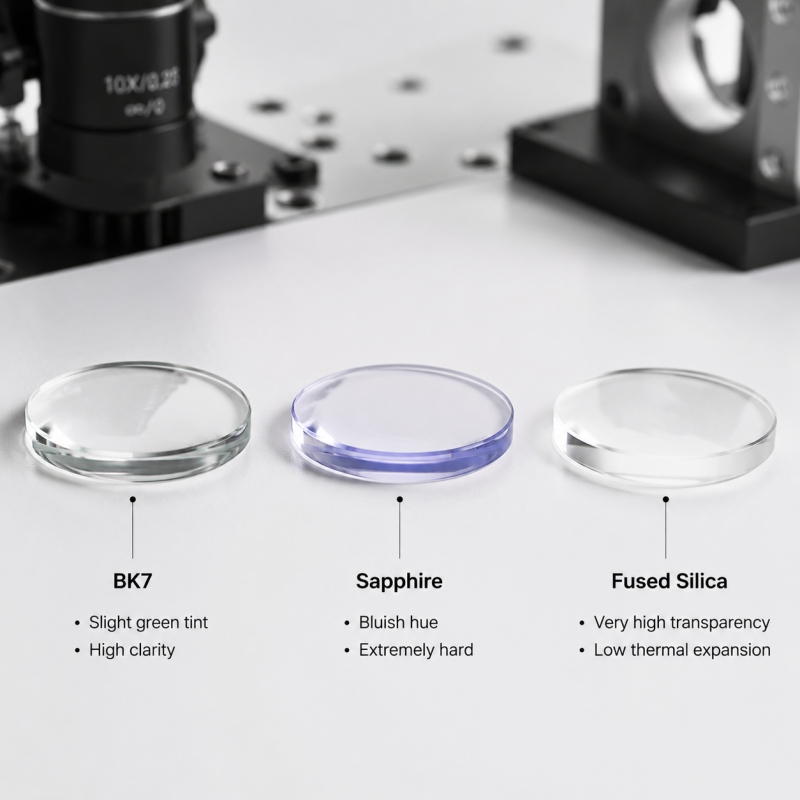
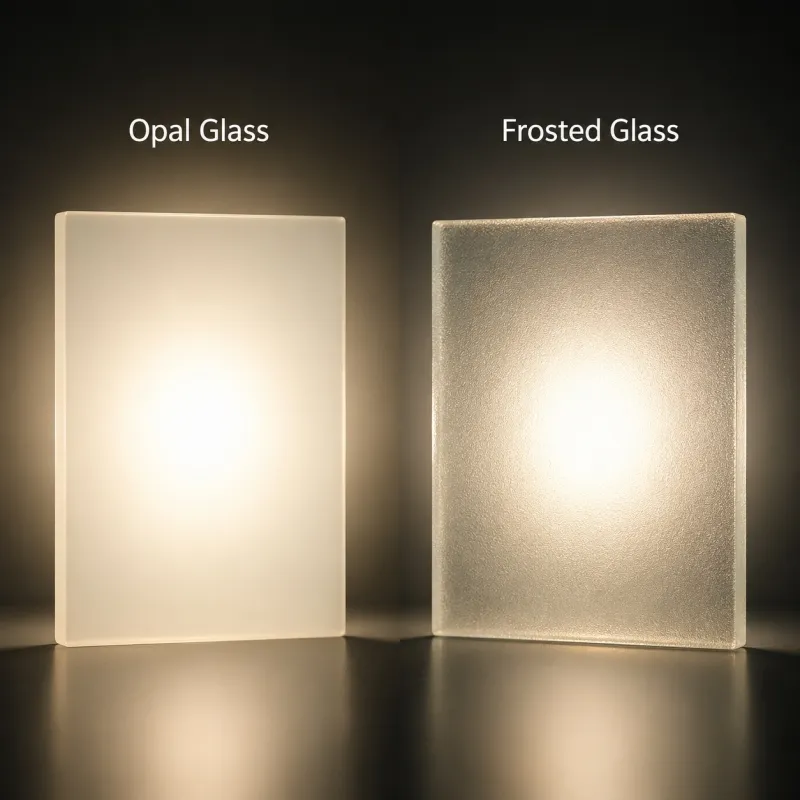
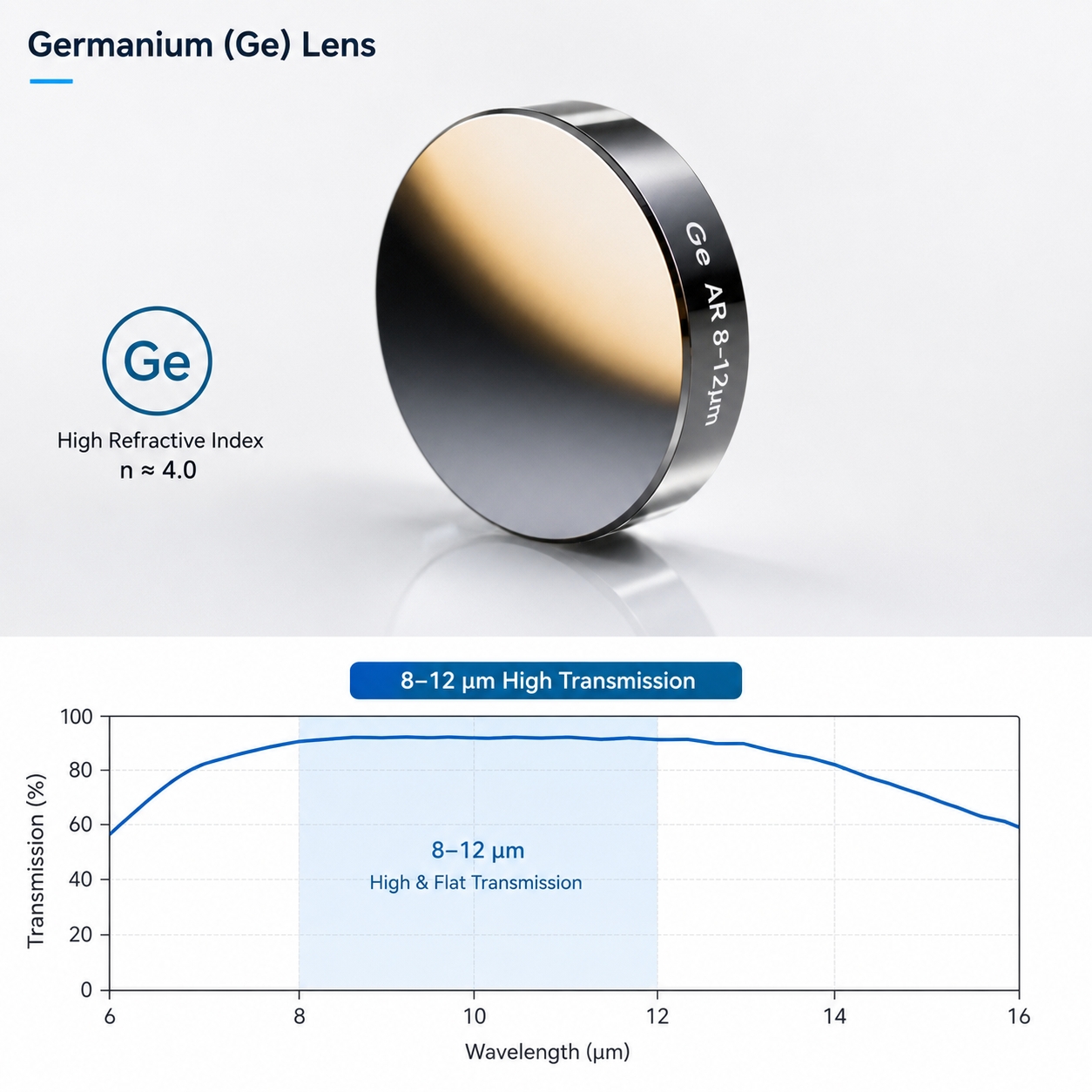
In any optical system, light reflection occurs naturally whenever light encounters an interface between different media with varying refractive indices. The intensity of this reflection is driven by multiple factors, including the angle of incidence, light wavelength, material refractive index, and surface roughness. High angles of incidence or large differences in refractive index typically generate stronger reflections, while rough or contaminated surfaces introduce light scattering, further complicating reflection issues.
These reflections lead to significant optical energy loss and severely degrade the overall performance of an optical system:
- Camera Lenses: Surface reflections reduce image contrast and induce unwanted flare or ghosting.
- Fiber Optic Communication: Reflected light travels along the fiber, interfering with the original signal, reducing transmission efficiency, and increasing bit error rates (BER).
- Laser and Precision Measurement: Even minute reflections can disrupt signals, compromising measurement accuracy and device stability.
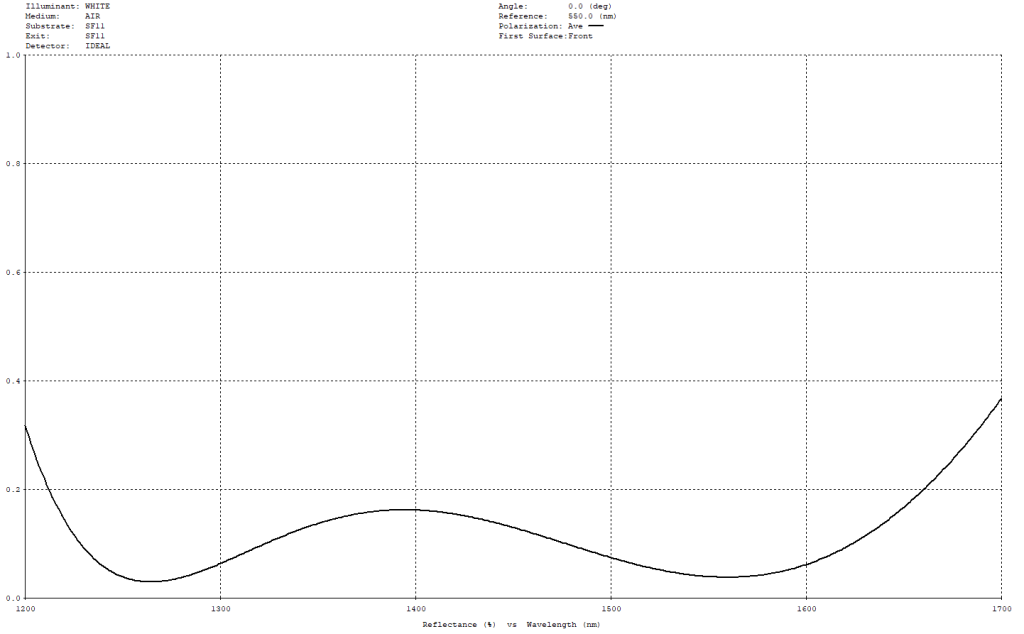
To mitigate these challenges, Anti-Reflection (AR) coatings are widely implemented. By depositing one or more thin-film layers with specific thicknesses and refractive indices onto the optical surface, reflected light waves cancel each other out, drastically reducing reflectivity. Simply put, AR coatings minimize surface reflection to deliver higher luminous flux and more stable system performance. This guide provides an in-depth analysis of the causes of light reflection, the principles and types of AR coatings, their applications across various optical systems, and how to select the optimal coating solution.
The Science Behind Anti-Reflection Coatings
Thin-Film Interference Principle
The core mechanism of an AR coating relies on thin-film interference. When light hits an optical component, it partially reflects at the interface. By depositing thin, transparent films with precise refractive indices and thicknesses, the light waves reflected from the upper surface and the substrate interface undergo destructive interference, canceling each other out to maximize transmission.
- Single-Layer Coatings: The ideal optical thickness is typically one-quarter of the target wavelength (λ/4), with a refractive index (nf) selected as the square root of the substrate’s refractive index (√ns). While single-layer coatings effectively suppress reflection at a specific design wavelength, their broadband performance is limited.
- Multi-Layer Coatings: By stacking multiple thin films of alternating high and low refractive indices, reflection suppression can be achieved across a much broader spectrum. The thickness and index of each layer are meticulously calculated so that reflected light across multiple wavelengths undergoes destructive interference.
Data Comparison: A single layer of Magnesium Fluoride (MgF2) commonly used on visible light lenses reduces reflection from approximately 4% (uncoated glass) down to about 1%. In contrast, a multi-layer Broadband Anti-Reflection (BBAR) coating can reduce average reflectivity to under 0.2% across the entire visible spectrum and into the infrared region.
Refractive Index Matching and Wavelength Control
- Index Matching: The coating material’s refractive index must be carefully balanced between the ambient air and the substrate to facilitate optimal destructive interference.
- Gradient Index Design: For broadband applications, multi-layer stacks utilize a refractive index gradient to balance reflections across various wavelengths, minimizing reflection peaks caused by dispersion.
- Nanometer Precision: Film thickness control at the nanometer scale is vital for reflectivity stability; any deviation can cause a sharp spike in reflection at target wavelengths.
Alternative Anti-Reflection Mechanisms
1. Nanostructured AR Coatings (“Moth-Eye” Structures)
These form sub-wavelength periodic microstructures on the surface to create a continuous gradient refractive index, bypassing the thickness limitations of traditional interference films.
- Advantages: Ultra-low reflection across extremely wide wavelengths and incident angles; highly resistant to environmental and angular variations.
- Applications: High-power laser windows, broad-spectrum optical instruments, and fiber optic communication modules.
2. Porous / Substrate-Embedded Coatings
These utilize porous structures or embedded microparticles to lower the average surface refractive index close to that of air.
- Advantages: Excellent mechanical strength and thermal dissipation properties, ideal for large surfaces.
- Applications: Large-scale infrared windows, protective cover glass, and laser laboratory optics.
3. Graded-Index / Sol-Gel Coatings
These form a continuous refractive index gradient, allowing light to transition smoothly into the substrate with minimal reflection.
- Advantages: Broadband low reflection combined with anti-fouling and scratch-resistant properties.
- Applications: Scientific research windows, high-end telescopes, and microscope objectives.
4. Absorptive / Anti-Scattering Coatings
These suppress visible reflection by absorbing or scattering the surface reflected light.
- Advantages: Highly effective for specific wavebands, anti-glare requirements, or high-power laser/IR safety.
- Applications: Laser safety shields, anti-glare displays, and instrument control panels.
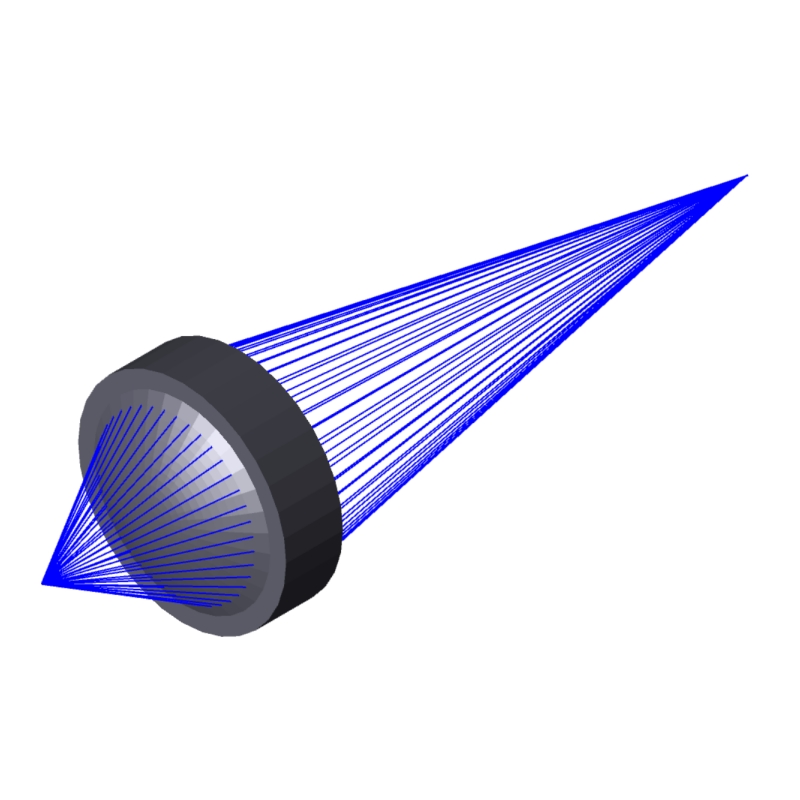
3 Core Types of Anti-Reflection Coatings
1. Single-Layer AR Coatings
A single-layer coating typically utilizes a low-index transparent material, such as Magnesium Fluoride (MgF2), deposited at a quarter-wavelength (λ/4) optical thickness. It relies on a single phase-shifted reflection to cancel out the base reflection. Because this design targets one specific wavelength, its suppression performance drops significantly in broadband, ultraviolet (UV), or infrared (IR) ranges.
- Advantages: Low manufacturing cost, simple deposition process, and short production cycles.
- Limitations: Narrowband performance; unsuitable for high-power lasers or complex environmental applications.
- Typical Applications: Economical camera lenses, protective optical windows, and educational optics.
- Performance Benchmark: Reduces surface reflectivity from ~4% to ~1%.
2. Multi-Layer AR Coatings
Multi-layer coatings feature a stack of alternating high-index (e.g., Titanium Dioxide, TiO2) and low-index (e.g., Silicon Dioxide, SiO2) transparent thin films. By precisely engineering the layer count, thickness, and material sequence, reflections from multiple interfaces achieve destructive interference across a broad spectral range, extending from the UV through the visible and into the IR spectrum.
- Advantages: Exceptionally low reflectivity across a broad bandwidth; significantly boosts total optical throughput.
- Limitations: High production cost; demands stringent control over deposition environments and layer uniformity.
- Typical Applications: High-end cinematography lenses, high-power industrial laser systems, and optical communication modules.
- Performance Benchmark: Drops average reflectivity to under 0.2%, offering a massive performance leap over single-layer MgF2.
3. Specialized Functional Coatings
American technical teams integrate functional layers—such as anti-scratch (hydrophobic/oleophobic), anti-fouling, or UV-blocking films—directly on top of standard AR stacks. These functional treatments are achieved via specialized chemical processing or nanotechnology while fully preserving the underlying low-reflectivity performance.
- Advantages: Maximizes component durability and service life; thrives in harsh environments involving high humidity, dust, or high-intensity fields.
- Limitations: Complex manufacturing workflows; requires precise design to prevent the protective layers from degrading optical performance.
- Typical Applications: Medical endoscopes, ruggedized outdoor sensors, LiDAR windows, and industrial transceivers.
- Performance Benchmark: Multi-layer AR optics enhanced with anti-fouling and scratch-resistant topcoats experience less than a 1% drop in transmission when exposed to high-humidity or dusty environments, far outperforming standard AR treatments.
Real-World Applications & Case Studies
- Photography Lenses: Multi-layer AR coatings maximize image contrast and eliminate ghosting in back-lit environments.
- Optical Instrumentation: Multi-layer AR coatings on microscope and telescope lens elements minimize intra-cavity light loss to reveal faint details.
- Fiber Optic Communications: AR coatings applied to fiber end-faces and Wavelength Division Multiplexing (WDM) filters drastically minimize return loss and optimize signal transmission efficiency.
- Laser Systems: High-power laser optics utilize specialized high-damage-threshold (AR) coatings to eliminate power loss and prevent back-reflection damage to pump sources.
Industrial Case Data: An optical communication filter optimized with multi-layer AR coatings saw its reflectivity drop from 4% to 0.3%, dramatically lowering system optical return loss (ORL).
Performance Metrics: How to Evaluate AR Coatings
When specifying an AR coating for an industrial or commercial application, consider these core metrics:
- Reflectivity: The primary metric. Ensure the target wavelength range matches the minimum reflectivity profile of the coating.
- Durability: Must meet environmental stability standards, including abrasion resistance, humidity resistance, and chemical adhesion (e.g., MIL-SPEC standards).
- Spectral Coverage: Match the coating’s optimization window with your system’s light source (e.g., single-line laser vs. broadband white light).
Quick Selection Guide
| Application Spectrum | Recommended Coating Type |
|---|---|
| Standard Visible Light (VIS) | Single-layer MgF2 or Multi-layer VIS-AR |
| Broadband / Multi-Laser Systems | Multi-layer BBAR or Nanostructured AR |
| Harsh / Extreme Environments | Specialized Functional AR (Anti-scratch, Anti-fouling, High-Power) |
Manufacturing Processes & Industry Insights
Common Deposition Methods
- Physical Vapor Deposition (PVD) / E-Beam Evaporation: A highly cost-effective method ideal for single-layer and standard multi-layer coatings.
- Sputter Deposition (Magnetron Sputtering): Delivers dense, highly uniform film layers with superior adhesion, making it the preferred method for high-end multi-layer BBAR coatings.
- Chemical Vapor Deposition (CVD) / Atomic Layer Deposition (ALD): Offers unmatched conformal coverage, ideal for nanostructured AR surfaces or complex, highly curved optical components.
Industry Trends
- Nanostructure Adoption: Nanostructured coatings are increasingly replacing traditional multi-layer stacks due to their ultra-wide band performance and superior angular tolerance.
- Ultra-Broadband Demand: The rapid expansion of autonomous driving (LiDAR) and optical transceivers is driving high demand for complex coatings optimized for dual-band performance (e.g., VIS + NIR).
- Eco-Friendly Manufacturing: The industry is shifting toward green deposition methodologies that reduce hazardous chemical waste and lower energy consumption during vacuum processes.
Conclusion
Selecting the ideal anti-reflection (AR) coating requires a balanced evaluation of spectral bandwidth, operating environment, mechanical durability, and budget constraints. While single-layer coatings are ideal for budget-conscious, single-wavelength designs, multi-layer stacks are the benchmark for high-performance broadband systems. For extreme environments or high-power laser configurations, nanostructured or specialized functional coatings offer the ultimate protection and efficiency. Hobbite has been deeply involved in the optical field for many years and offers one-stop coating solutions. Please contact us if you have any needs.
Frequently Asked Questions (FAQ)
1. Can an AR coating eliminate light reflection?
No coating can achieve an absolute zero reflection across all angles, but high-quality multi-layer or nanostructured AR coatings can easily reduce surface reflectivity to under 0.2%, which practically eliminates visible or system-degrading reflections.
2. Is there a major difference in lifespan between single-layer and multi-layer coatings?
Multi-layer coatings generally offer equal or superior environmental resistance compared to single layers due to robust oxide material choices (like SiO2). However, long-term lifespan depends heavily on the application of protective topcoats (e.g., hydrophobic, scratch-resistant seals).
3. Are nanostructured AR coatings suitable for all optical components?
While nanostructured coatings deliver incredible performance across wide angles and broad bandwidths, their fabrication workflows are complex and costly. They are typically reserved for high-end components, while standard systems rely on highly mature multi-layer processing.
4. Do anti-fouling and scratch-resistant topcoats degrade optical performance?
When properly engineered, these sub-nanometer functional monolayers are integrated into the thin-film design stack. They provide robust mechanical protection with negligible impact on transmission or wavefront error.