Laser engraving has become one of the most widely used techniques for precision marking and surface modification. From industrial manufacturing to customized art, this technology delivers both accuracy and durability. To truly understand its efficiency, it is important to explore the internal structure of laser engraving systems and how each component works together to achieve high-quality results.
Core Components of a Laser Engraving System
Laser Source
The heart of any laser engraving machine is its laser source. Common types include CO₂ lasers, fiber lasers, and diode lasers. Each type provides different power levels and wavelengths, which determine the engraving depth, speed, and material compatibility.
Beam Delivery System
Once generated, the laser beam must be guided to the workpiece. Mirrors or optical fibers are typically used for beam delivery. The stability of this system is essential to maintaining consistent engraving quality.
Focusing Optics
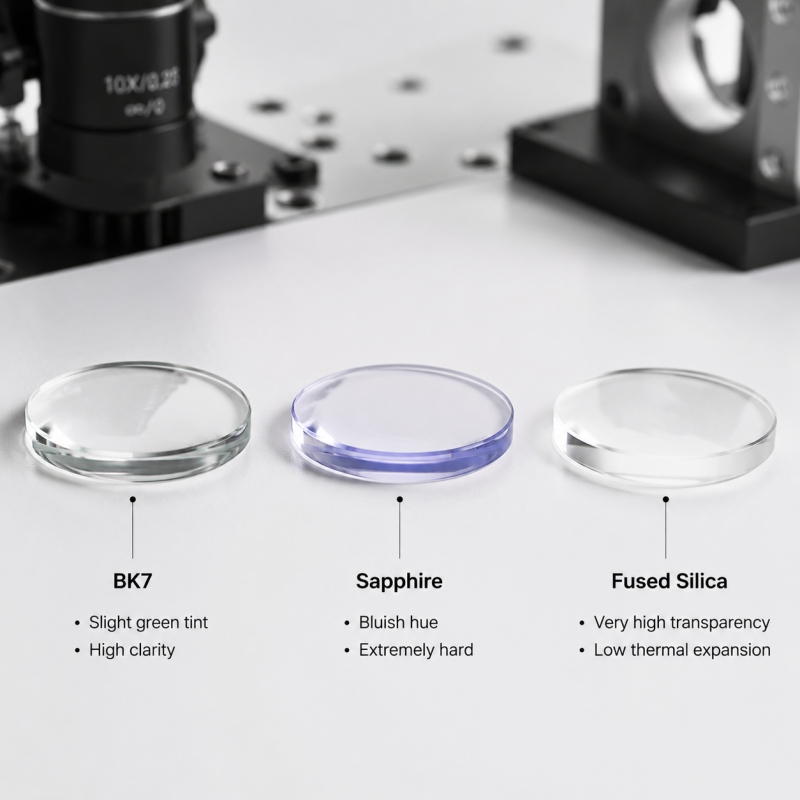
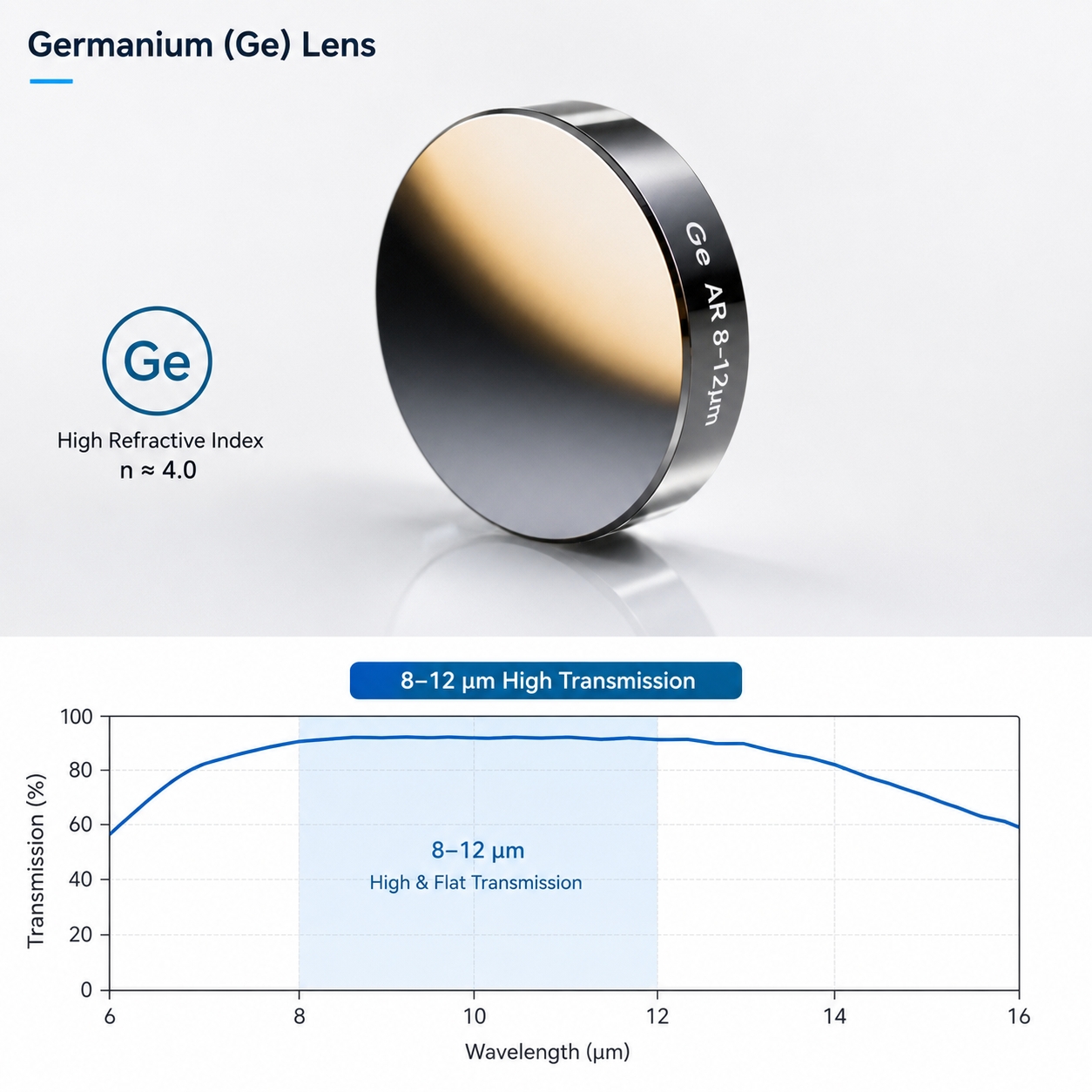
Focusing optics, such as lenses or F-Theta objectives, concentrate the laser beam into a fine spot. This sharp focal point allows for detailed patterns and high-resolution engraving. Without precise optics, the engraved surface would lack clarity.
Motion Control Mechanism
Motion control is managed through galvanometer scanners or mechanical guide rails. These systems precisely move the laser beam or the workpiece, enabling the quick and accurate engraving of complex patterns.
Control and Software System
Designs are converted into engraving paths through software. This system translates digital files into instructions for the motion control and laser source, optimizing speed, precision, and energy use.

Supporting Subsystems
A complete internal structure of laser engraving also relies on several supporting systems:
- Cooling System: Maintains the laser source at a stable temperature to prevent performance loss.
- Exhaust System: Removes smoke and debris, which could otherwise affect engraving clarity.
- Power Supply and Electronics: Provide steady energy to each subsystem for reliable operation.
How the Internal Structure Works Together
When operating, the laser source emits a beam that travels through the delivery system, passes through focusing optics, and is directed onto the material. The motion control mechanism guides the beam or the workpiece, while the software ensures accuracy according to the design. Together, these elements make laser engraving a versatile and reliable method for permanent marking and detailed surface processing.
Advantages of an Optimized Internal Structure
- Higher engraving speed and accuracy
- Longer system lifespan due to stable operation
- Ability to process a wide range of materials, from wood and plastics to metals and ceramics
Applications in Industry
The internal structure of laser engraving systems supports numerous industrial and commercial applications:
- Industrial Manufacturing: Serial numbers, barcodes, and QR codes
- Consumer Products: Personalized designs and decorative engraving
- Optical Components: High-precision surface marking
- Medical and Electronics: Micro-scale processing of sensitive materials
Conclusion
The internal structure of laser engraving is a sophisticated combination of laser sources, optics, motion systems, and control software. Each part plays a critical role in ensuring engraving precision and versatility. As industries continue to demand higher accuracy and durability, laser engraving technology will remain a key solution for advanced manufacturing and customization.
At Hobbite, we specialize in the design and manufacture of precision optical components, including custom lenses, beam-shaping optics, and laser-compatible elements. Our expertise supports industries that rely on laser engraving by providing reliable optical solutions that enhance performance, extend system lifespan, and ensure consistent engraving quality. With advanced manufacturing capabilities and strict quality control, Hobbite is a trusted optics partner for companies seeking innovation in laser-based applications.